
Gynecological Problems in Women: Common Symptoms, Causes, and When to Seek Medical Help
Gynecological problems in women are more common than most people realize, yet many women ignore early symptoms or delay medical consultation due to fear, embarrassment, or lack of awareness. Issues related to menstruation, hormones, pelvic organs, and reproductive health can significantly affect daily life, fertility, and long-term well-being if left untreated.
Symptoms such as irregular periods, pain during periods, or missed periods are often brushed off as “normal,” but they can be early warning signs of underlying gynecological conditions. Understanding these symptoms and knowing when to seek professional care is essential for maintaining good reproductive and overall health.
This guide explores common gynecological problems in women, their causes, symptoms, and why timely medical attention is important.
Key Takeaways
- Gynecological problems in women should never be ignored, as early diagnosis helps prevent long-term health complications.
- Irregular periods causes often include hormonal imbalance, stress, PCOS, and thyroid disorders, requiring timely medical evaluation.
- Missed periods reasons are not always pregnancy and may indicate underlying hormonal or lifestyle-related issues.
- Persistent or severe pain during periods can be a sign of conditions like endometriosis or fibroids and needs professional care.
- Regular gynecological checkups support reproductive health, fertility, and overall well-being at every stage of life.
- Consulting a qualified gynecologist ensures accurate diagnosis, safe treatment, and long-term women’s health management.
Table of Contents
Understanding Gynecological Problems in Women
The health of the female reproductive system, which includes the uterus, ovaries, fallopian tubes, cervix, and vagina, is the main focus of gynaecology. Gynecological problems in women can occur at any stage of life, from adolescence to menopause, and may be influenced by hormonal changes, lifestyle factors, infections, or underlying medical conditions.
Some problems are temporary and manageable with lifestyle changes, while others require long-term medical care or surgical intervention. Early diagnosis plays a key role in effective treatment and prevention of complications.
Irregular Periods: Causes Women Should Not Ignore
One of the most common gynecological problems in women is irregular menstruation. A typical menstrual cycle lasts between twenty-one and thirty-five days. Any frequent changes in cycle length, flow, or duration may signal an issue.
Common Irregular Periods Causes
Several factors can disrupt the menstrual cycle, including:
1. Hormonal Imbalance
The menstrual cycle is controlled by hormones such as progesterone and estrogen. Any imbalance can lead to delayed, early, or skipped periods.
2. Polycystic Ovary Syndrome (PCOS)
PCOS is one of the leading irregular periods. It often presents with:
- Infrequent periods
- Weight gain
- Acne
- Excess facial or body hair
3. Stress and Lifestyle Factors
Chronic stress, excessive exercise, poor diet, or sudden weight changes can interfere with hormone production and affect menstruation.
4. Thyroid Disorders
Both hypothyroidism and hyperthyroidism can disrupt menstrual cycles, causing irregular or heavy periods.
5. Perimenopause
Women in their 40s may experience irregular periods due to fluctuating hormone levels as they approach menopause.
Ignoring irregular periods for long durations can mask conditions like PCOS, fibroids, or hormonal disorders that need medical management.
Missed Periods: Reasons Beyond Pregnancy
A missed period often causes immediate concern about pregnancy, but pregnancy is not the only explanation. Understanding missed periods helps women take appropriate action without unnecessary anxiety.
Common Missed Periods Reasons
Stress and Mental Health
High stress levels can suppress ovulation, leading to missed periods.
- Sudden Weight Loss or Gain
Extreme changes in body weight can disrupt the hormonal balance needed for regular menstruation.
- PCOS and Hormonal Disorders
Women with PCOS may skip periods for months due to irregular ovulation.
- Thyroid and Metabolic Conditions
Underlying endocrine disorders are a frequent reason for missed periods and often go undiagnosed.
- Excessive Exercise
Athletes or women engaging in intense physical activity may experience missed cycles due to low body fat levels.
- Approaching Menopause
Missed periods may be an early sign of perimenopause, especially in women above 40.
If periods are missed for more than two consecutive cycles without pregnancy, medical evaluation is strongly advised.
Pain During Periods: When Is It a Concern?
Mild menstrual discomfort is common, but severe or persistent pain should never be ignored. Dysmenorrhea (painful periods) can significantly affect daily activities and quality of life.
Causes of Pain During Periods
1. Primary Dysmenorrhea
Caused by uterine contractions during menstruation, usually manageable with basic pain relief.
2. Endometriosis
A serious condition where tissue similar to the uterine lining grows outside the uterus, leading to severe pain and sometimes infertility.
3. Uterine Fibroids
Non-cancerous growths in the uterus can cause heavy bleeding and painful periods.
4. Pelvic Inflammatory Disease (PID)
Infection of reproductive organs can cause chronic pelvic pain and painful menstruation.
5. Adenomyosis
Occurs when the uterine lining tissue grows into the uterine wall, leading to heavy bleeding and intense pain.
Severe menstrual pain that interferes with work, school, or sleep requires medical assessment.
Other Common Gynecological Problems in Women
Apart from menstrual issues, several other gynecological problems in women require awareness:
1. Vaginal Infections
Symptoms include abnormal discharge, itching, odor, or burning. Common causes include yeast infections and bacterial vaginosis.
2. Pelvic Pain
Chronic pelvic pain may be linked to endometriosis, ovarian cysts, or pelvic infections.
3. Heavy Menstrual Bleeding
Excessive bleeding can lead to anemia and may be caused by fibroids, hormonal imbalance, or clotting disorders.
4. Ovarian Cysts
Often asymptomatic but may cause pain, bloating, or irregular periods.
5. Fertility Issues
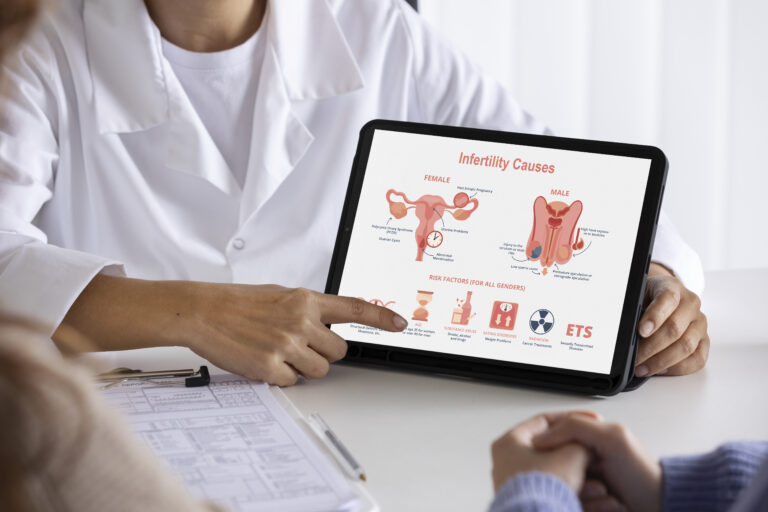
Many gynecological problems in women affect ovulation and reproductive health, impacting fertility if untreated.
Why Early Diagnosis Is Important
Delaying care for gynecological problems in women can lead to:
- Chronic pain
- Hormonal complications
- Fertility challenges
- Emotional stress
- Need for advanced or surgical treatment
Early medical consultation allows for conservative treatment, better outcomes, and prevention of long-term complications.
When Should Women See a Gynecologist?
You should consult a gynecologist if you experience:
- Persistent irregular periods
- Repeated missed periods
- Severe pain during periods
- Heavy or prolonged bleeding
- Pelvic pain or abnormal discharge
- Difficulty conceiving
Regular gynecological checkups are important even without symptoms, especially for sexually active women or those planning pregnancy.
Diagnosis and Treatment Approach
A gynecologist may recommend:
- Detailed menstrual and medical history
- Blood tests for hormonal evaluation
- Ultrasound or imaging studies
- Lifestyle and dietary guidance
- Medication or hormonal therapy
- Surgical options when required
Treatment is always personalized based on age, symptoms, reproductive plans, and overall health.
Lifestyle Tips to Support Gynecological Health
While medical care is essential, lifestyle habits play a supportive role:
- Maintain a balanced diet
- Manage stress through relaxation techniques
- Exercise moderately
- Avoid self-medication
- Track menstrual cycles regularly
These steps help in early detection and better communication with healthcare providers.
Importance of Women-Centric Healthcare
Women’s health needs are unique and require compassionate, specialized care. A dedicated women’s clinic provides:
- Privacy and comfort
- Holistic evaluation
- Preventive screenings
- Pregnancy and fertility support
Seeking timely care in a trusted medical facility ensures safety, accuracy, and continuity of treatment.
Final Thoughts
Gynecological problems in women are common but should never be normalized or ignored. Symptoms such as irregular periods, missed periods reasons beyond pregnancy, and pain during periods often indicate underlying conditions that require attention.
Early consultation with a qualified gynecologist helps in accurate diagnosis, effective treatment, and long-term reproductive health. Women deserve informed, respectful, and proactive healthcare at every stage of life.
If you or someone you care for is experiencing persistent gynecological symptoms, timely medical guidance can make a meaningful difference in health, comfort, and confidence.
Expert Gynecological Care for Every Stage of a Woman’s Life
Take charge of your reproductive health with expert gynecological care at Pentagon Multispeciality Hospital. Our experienced specialists offer compassionate, confidential, and comprehensive care for women at every stage of life.
FAQs
(Frequently Asked Questions)
What are the most common gynecological problems in women?
Common gynecological problems in women include irregular periods, missed periods, pain during periods, hormonal imbalance, PCOS, infections, and pelvic pain.
What are the common causes of irregular periods?
Irregular periods causes may be caused by hormonal imbalance, stress, PCOS, thyroid disorders, sudden weight changes, or excessive physical activity.
What are the reasons for missed periods apart from pregnancy?
Missed periods reasons include stress, hormonal disorders, PCOS, thyroid problems, extreme dieting, excessive exercise, or approaching menopause.
Is pain during periods normal for all women?
Mild pain during periods can be normal, but severe or persistent pain may indicate conditions like endometriosis, fibroids, or pelvic infections and should be evaluated.
When should a woman see a gynecologist for menstrual problems?
A gynecologist should be consulted if irregular periods, missed periods, or pain during periods continue for more than two to three cycles or affect daily life.
Can gynecological problems affect fertility?
Yes, untreated gynecological problems in women, such as PCOS, hormonal imbalance, or endometriosis, can impact ovulation and fertility.
How are gynecological problems diagnosed?
Diagnosis may include medical history review, hormonal blood tests, ultrasound imaging, and clinical examination by a gynecologist.
Can lifestyle changes help manage gynecological problems?
A healthy diet, stress management, regular exercise, and timely medical care can help manage symptoms, but medical evaluation is essential for proper treatment.
We look forward to assisting you with your healthcare needs.
Just Make an Appointment
and You’re Done!