

Child Nutrition Guide: What Kids Should Eat at Every Age
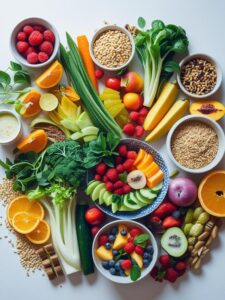
Good nutrition is the foundation of a child’s physical growth, brain development, and emotional well-being. From the first bite of solid food to the teenage growth spurt, every stage of childhood requires proper nourishment. A balanced diet for children ensures that they grow stronger, think clearly, stay active, and build immunity against infections.
At Pentagon Hospital, we strongly believe that preventive healthcare begins early. Proper child nutrition not only supports present growth but also reduces the risk of lifestyle diseases in adulthood. Understanding what your child should eat at every age can make parenting easier and healthier.

Key Takeaways
- A balanced diet for children is essential for healthy growth, brain development, strong immunity, and overall well-being at every stage from toddlers to teenagers.
- Children require the right mix of proteins, carbohydrates, healthy fats, vitamins, and minerals to support physical and cognitive development.
- Including healthy snacks for kids, such as fruits, nuts, yogurt, whole grains, and homemade options, helps maintain energy levels and prevents unhealthy eating habits.
- Nutritional needs change with age. Toddlers need nutrient-dense small meals, school-aged children require energy-boosting foods, and teenagers need higher protein and iron intake.
- Poor nutrition can lead to issues such as weak immunity, poor concentration, obesity, or underweight, making early dietary guidance crucial.
- If you are unsure about your child’s eating habits, growth patterns, or dietary deficiencies, consulting a pediatrician near me for child nutrition can help create a personalized meal plan.
- Building healthy eating habits early encourages lifelong wellness and reduces the risk of lifestyle diseases later in life.
Table of Contents
1. Why a Balanced Diet for Children Matters?
Children are not just “small adults.” Their bodies are constantly developing, bones are strengthening, muscles are growing, and the brain is forming essential neural connections. To support this rapid growth, children require:
- Proteins for muscle and tissue development
- Carbohydrates for energy
- Healthy fats for brain development
- Vitamins and minerals for immunity and organ function
- Fiber for digestive health
Without a proper, balanced diet, children may experience fatigue, frequent illness, poor concentration, slow growth, or unhealthy weight gain.
Nutrition directly impacts school performance, emotional stability, and overall confidence. A well-nourished child is more active, attentive, and resilient.
2. Nutrition Needs at Every Age
a. Infants (0–12 Months):
The first year of life is critical. During this stage:
- Breast milk is the ideal source of nutrition for the first 6 months.
- After 6 months, introduce complementary foods while continuing breastfeeding.
- Begin with soft, mashed foods such as rice cereal, mashed fruits, vegetables, and lentils.
Iron-rich foods become important after six months, as natural iron stores begin to decline. Avoid added sugar and salt during this stage.
b. Toddlers (1–3 Years):
Toddlers are active explorers but often picky eaters. Their stomach capacity is small, so they need nutrient-dense meals multiple times a day.
A balanced diet for children in this age group should include:
- Milk and dairy for calcium
- Eggs, dal, beans, or paneer for protein
- Fruits and vegetables for vitamins
- Whole grains for sustained energy
Since appetite may fluctuate, focus on variety rather than quantity. Offer colorful foods and encourage self-feeding to build independence.
c. Preschoolers (4–6 Years):
At this age, children become more social and active. Proper nutrition supports learning and physical play.
Include:
- Whole wheat roti, brown rice, or oats
- Leafy greens for iron
- Dairy products for bone strength
- Lean proteins like chicken, fish, or legumes
This is also the stage when children may start demanding junk food. Introducing healthy snacks for kids early helps establish positive habits.
Examples of healthy snacks:
- Fresh fruit slices
- Yogurt with seeds
- Roasted makhana
- Boiled corn
- Homemade vegetable sandwiches
Healthy snacking maintains stable energy levels and reduces unhealthy cravings.
d. School-Age Children (7–12 Years):
School-going children need more energy due to physical activity and academic demands. Their meals should include:
- Complex carbohydrates for sustained energy
- Adequate protein for growth
- Iron for cognitive function
- Calcium for developing bones
Skipping breakfast is common at this age, but it should be avoided. A nutritious breakfast improves focus and academic performance.
Encourage hydration and limit sugary beverages. Teaching portion control and mindful eating helps prevent childhood obesity.
e. Teenagers (13–18 Years):
School-going children need more energy due to physical activity and academic demands. Their meals should include:
- Complex carbohydrates for sustained energy
- Adequate protein for growth
- Iron for cognitive function
- Calcium for developing bones
Skipping breakfast is common at this age, but it should be avoided. A nutritious breakfast improves focus and academic performance.
Encourage hydration and limit sugary beverages. Teaching portion control and mindful eating helps prevent childhood obesity.
3. The Role of Healthy Snacks for Kids
Snacking is not unhealthy; poor snack choices are. Replacing packaged foods with healthy snacks for kids supports better focus, stable energy levels, and weight management.
Some smart snack options include:
- Fresh fruits
- Roasted nuts
- Yogurt with seeds
- Vegetable sticks with hummus
- Homemade poha or upma
Healthy snacking prevents overeating during main meals and builds mindful eating habits.
4. Warning Signs of Poor Nutrition
Parents should watch for:
- Frequent infections
- Low energy or fatigue
- Poor academic concentration
- Sudden weight loss or excessive weight gain
- Delayed growth milestones
Poor nutrition can weaken immunity and increase the risk of lifestyle-related conditions later in life.
5. When to Consult a Specialist?
Every child is different, and nutritional needs vary based on growth patterns, medical history, and activity levels. If you’re unsure about your child’s eating habits or suspect deficiencies, consulting a pediatrician near me for child nutrition can provide clarity.
At Pentagon Hospital, our pediatric specialists assess growth charts, dietary patterns, and overall health before recommending personalized nutrition guidance.
6. Building Lifelong Healthy Eating Habits
Healthy eating habits formed in childhood reduce the risk of obesity, diabetes, and heart disease in adulthood. Encouraging family meals, limiting screen-time eating, and offering balanced food choices at home make a significant difference.
Just as Pentagon Hospital celebrates important milestones in a family’s journey, including maternity and child wellness initiatives, we emphasize that preventive healthcare starts early with the right nutrition and medical guidance.
7. Final Thought
A balanced diet for children is the cornerstone of physical strength, mental sharpness, and emotional well-being. By including the right nutrients and offering healthy snacks for kids, parents can nurture stronger, healthier futures.
If you’re looking for expert guidance, connect with a pediatrician near me for child nutrition at Pentagon Hospital. Early nutritional counseling ensures your child grows confidently, actively, and healthily at every stage of life.
FAQs
(Frequently Asked Questions)
What is a balanced diet for children?
A balanced diet for children includes the right proportions of proteins, carbohydrates, healthy fats, vitamins, minerals, and fiber. It should consist of whole grains, fruits, vegetables, dairy, and protein sources like eggs, pulses, beans, fish, or lean meats to support healthy growth and development.
How does nutrition affect a child’s brain development?
Proper nutrition plays a vital role in brain development. Nutrients like healthy fats (especially omega-3), iron, protein, and vitamins help improve memory, concentration, and cognitive skills. Poor nutrition may lead to low focus, fatigue, and delayed learning abilities.
What are some healthy snacks for kids?
Healthy snacks for kids include fresh fruits, yogurt with seeds, roasted nuts, boiled corn, homemade vegetable sandwiches, poha, upma, and makhana. These options provide sustained energy and prevent unhealthy cravings compared to packaged snacks.
How often should children eat during the day?
Children generally need three main meals and two healthy snacks per day. Toddlers may require smaller, more frequent meals due to their smaller stomach capacity. Maintaining regular meal timings helps stabilize energy and metabolism.
What nutrients are most important for teenagers?
Teenagers require higher amounts of protein for muscle growth, iron (especially for girls) to prevent anemia, calcium for bone strength, and complex carbohydrates for energy. A balanced diet for children during their teenage years supports rapid growth and hormonal changes.
What are the signs of poor nutrition in children?
Warning signs include frequent infections, fatigue, poor academic performance, slow growth, sudden weight loss or gain, hair loss, brittle nails, and delayed developmental milestones. Early identification helps prevent long-term health issues.
Should children avoid all junk food?
Children do not need to completely avoid junk food, but it should be limited. Occasional treats are acceptable, but daily meals should focus on a balanced diet for children with nutrient-rich, whole foods to maintain proper growth and immunity.
Is skipping breakfast harmful for school-age children?
Yes, skipping breakfast can affect concentration, memory, and energy levels. A nutritious breakfast with protein, whole grains, and fruits improves focus and school performance.
When should I consult a pediatrician near me for child nutrition?
You should consult a pediatrician near you for child nutrition if your child is underweight, overweight, has poor appetite, frequent illnesses, suspected deficiencies, food allergies, or slow growth patterns. A specialist can create a personalized diet plan based on growth charts and medical history.
Can poor childhood nutrition lead to health problems later in life?
Yes. Poor nutrition during childhood increases the risk of obesity, diabetes, heart disease, weak immunity, and metabolic disorders in adulthood. Building healthy eating habits early supports lifelong wellness.