

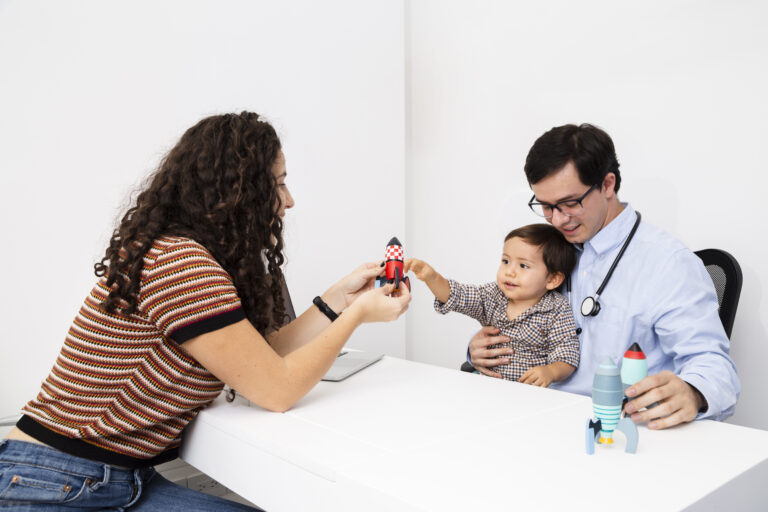
Every parent wants their child to stay healthy, active, and safe, yet common childhood illnesses like colds, coughs, fever, stomach infections, and viral diseases can appear suddenly and often. Because children’s immune systems are still developing, they are more vulnerable to childhood diseases, seasonal infections, and the rapid spread of viruses in schools or play areas.
If you’ve ever wondered why your child falls sick frequently, how to identify common childhood illnesses early, or how to boost their immunity naturally, you’re not alone; these are concerns shared by almost every parent.
Understanding these health conditions, recognizing symptoms on time, and following immunity-boosting tips for kids can make a big difference in preventing complications and ensuring faster recovery.
This guide covers the most common diseases in Indian children, early warning signs, treatment tips, prevention strategies, and expert-backed ways to strengthen your child’s immunity.
Table of Contents
1. Introduction
From seasonal flu to stomach infections, children frequently face a wide range of illnesses as their immune system matures. While most of these childhood diseases are mild and recoverable with home care, some require timely medical attention.
Learning about these conditions helps parents react quickly, reduce complications, and keep children healthier throughout the year.
2. Why Children Get Sick Often
Understanding the reason behind frequent illnesses helps reduce worry:
1. Developing the Immune System
Children’s immunity isn’t fully developed, so viruses and bacteria affect them easily.
2. Close Contact in Schools & Play Areas
Sharing toys, touching surfaces, and interacting with other kids spreads infections fast.
3. Hand-to-Mouth Habit
Kids frequently touch their eyes, nose, and mouth, allowing germs to enter the body.
4. Seasonal Weather Changes
Indian climate variations, monsoon infections, winter colds, and summer dehydration contribute to illness cycles.
3. How to Identify Common Childhood Illnesses
Many childhood diseases show similar symptoms, so early identification is important. Signs include:
- Fever
- Runny or stuffy nose
- Persistent cough
- Vomiting or loose motions
- Ear pulling or crying during feeding
- Skin rashes
- Loss of appetite
- Weakness or irritability
- Difficulty breathing
If symptoms last more than 2-3 days, always consult a pediatrician.
4. The Most Common Childhood Illnesses – Detailed Guide
Below is a complete breakdown of the most frequent illnesses Indian children face.
1. Common Cold
The most widespread of all common childhood illnesses is usually caused by a virus.
Symptoms:
- Runny nose
- Sneezing
- Cough
- Low-grade fever
- Sore throat
Care Tips:
- Give warm water
- Keep the child hydrated
- Use steam inhalation (for older kids)
- A doctor may prescribe saline nasal drops
2. Fever
Fever is the body’s natural defense mechanism.
Common Causes:
- Viral infection
- Flu
- Dengue
- Tonsillitis
- Ear infection
When to Worry:
- Fever above 102°F
- Fever lasting more than 2 days
- The child becomes unusually weak or drowsy
3. Flu (Influenza)
A stronger version of the common cold.
Symptoms:
- High fever
- Body pain
- Headache
- Cough
- Fatigue
Prevention:
- Annual flu vaccination for kids
4. Tonsillitis
Inflammation of the tonsils due to bacteria or a virus.
Symptoms:
- Severe sore throat
- Pain while swallowing
- Bad breath
- Swollen tonsils
5. Ear Infections
Very common in babies and toddlers.
Symptoms:
- Ear pain
- Fever
- Ear discharge
- Crying while lying down
6. Stomach Infection (Gastroenteritis)
Usually caused by contaminated food or water.
Symptoms:
- Vomiting
- Loose motions
- Stomach pain
- Dehydration
Care:
- Oral rehydration solution (ORS)
- Avoid fried/spicy food
- Keep the child hydrated
7. Pneumonia
A serious lung infection.
Symptoms:
- Fast breathing
- High fever
- Chest congestion
- Persistent cough
Immediate medical care is required.
8. Bronchitis
Inflammation of the airways.
Symptoms:
- Dry or wet cough
- Wheezing
- Breathing difficulty
9. Hand, Foot & Mouth Disease (HFMD)
Highly contagious viral infection among school children.
Symptoms:
- Small red blisters on hands, feet, and mouth
- Mild fever
- Sore throat
10. Chickenpox
Still common despite vaccination.
Symptoms:
- Itchy red blisters
- Fever
- Tiredness
11. Dengue & Mosquito-Borne Illnesses
Very common in the monsoon.
Symptoms:
- High fever
- Joint pain
- Dengue rash
- Vomiting
Immediate medical attention is necessary.
12. Worm Infestation
Caused by poor hygiene or contaminated soil.
Symptoms:
- Stomach pain
- Anemia
- Itching at night
- Weight loss
Deworming every 6 months is recommended by pediatricians.
13. Allergies & Asthma
Rising rapidly among Indian kids.
Triggers:
- Dust
- Smoke
- Pets
- Pollen
- Certain foods
Symptoms:
- Wheezing
- Repeated cough
- Breathing difficulty
14. Skin Rashes
Often due to:
- Heat
- Allergies
- Infections
- Mosquito bites
Most rashes are harmless but should be monitored.
5. When to See a Pediatrician
Seek medical help if your child has:
- High fever > 102°F
- Fever lasting more than 48 hours
- Difficulty breathing
- Dehydration symptoms
- Persistent vomiting
- Rashes with fever
- Severe weakness or irritability
Want expert care from a trusted paediatric specialist? Visit Dr. Kuldip Shimpi’s profile at Pentagon Hospital now, and book your child’s consultation today!
6. Immunity Boosting Tips for Kids (Home Remedies)
1. Add Traditional Indian Superfoods
- Turmeric milk
- Ghee in small amounts
- Chyawanprash (age-appropriate)
- Coconut water
- Seasonal fruits
2. Balanced Diet
Include:
- Dal, rice, roti
- Green vegetables
- Paneer, curd
- Eggs (non-veg children)
3. Adequate Sleep
Kids need 9-12 hours of sleep daily.
4. Outdoor Play
Sunlight boosts Vitamin D and immunity.
5. Good Hygiene
Handwashing prevents 70% infections.
6. Limit Junk Food
Reduce chips, sugary snacks, and aerated drinks.
7. How to Prevent Common Childhood Illnesses
- Vaccinate on time
- Avoid sharing bottles & toys
- Use mosquito protection
- Give home-cooked meals
- Keep surroundings clean
- Maintain school hygiene habits
Final Thoughts
Childhood illnesses are unavoidable but manageable. Early identification, the right care, strong immunity, and regular check-ups are key to raising healthy children. Understanding common childhood illnesses empowers parents to act quickly, prevent complications, and protect their child’s well-being.
Need trusted paediatric care? Book a consultation at Pentagon Hospital Pediatrics department today.
FAQs
(Frequently Asked Questions)
What are the most common childhood illnesses?
Common cold, flu, fever, stomach infections, allergies, pneumonia, and ear infections.
How do I identify common childhood illnesses?
Watch for fever, cough, breathing issues, vomiting, rashes, fatigue, and persistent crying.
What foods improve immunity in kids?
Fruits, vegetables, nuts, eggs, curd, turmeric milk, whole grains, and seasonal foods.
How often should I deworm my child?
Every 6 months, as per pediatric guidelines.
When should I take my child to a doctor?
If symptoms worsen, fever lasts more than 2 days, or breathing becomes difficult.
We look forward to assisting you with your healthcare needs.
Just Make an Appointment
and You’re Done!