

Diabetes Treatment: New Advances Improving Care and Control
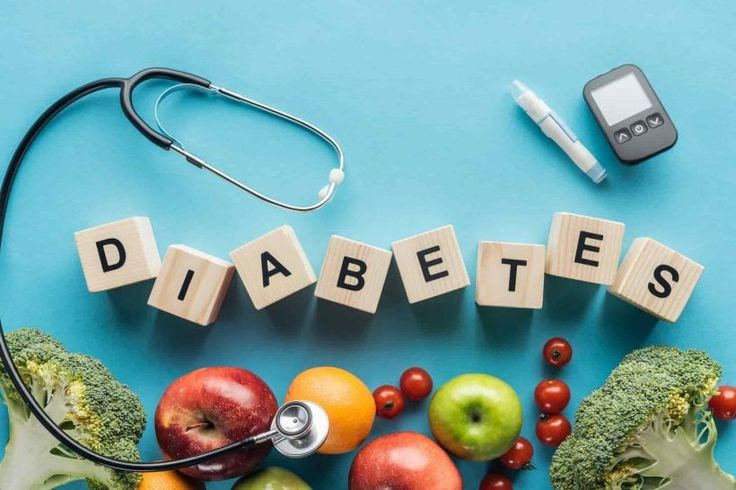
Managing diabetes has evolved significantly over the years. With rapid advancements in medical science and technology, diabetes treatment today is more effective, personalized, and convenient than ever before.
From smart monitoring devices to innovative therapies, these new developments are helping patients live healthier lives with better blood sugar control. Let’s explore how modern advancements are transforming diabetes care.
Takeaways
- Continuous glucose monitors help track sugar levels easily
- New insulin delivery methods improve control
- Advanced medicines have fewer side effects
- Personalized treatment plans give better results
- Technology helps in better diabetes management
- Artificial pancreas systems improve insulin control
- New methods aim for painless glucose monitoring
- Combination treatments improve effectiveness
- Health apps help in daily tracking
- Early detection improves treatment outcomes
- Lifestyle changes remain important
- Better care reduces complications
Table of Contents
1. What Is Diabetes Treatment?
Diabetes treatment focuses on managing blood sugar levels to prevent complications and maintain overall health. It typically includes a combination of medication, lifestyle changes, and regular monitoring.
With modern advancements, treatment is no longer limited to basic medication. Today, patients benefit from innovative tools and therapies that offer better control and improved quality of life.
2. Why Advances in Diabetes Care Matter?
Traditional diabetes management often requires frequent blood tests and strict routines. However, new advancements are making it easier to:
- Monitor blood sugar levels in real time
- Reduce the risk of complications
- Improve treatment accuracy
- Enhance patient comfort and convenience
These innovations are not only improving outcomes but also making diabetes management less stressful.
3. Continuous Glucose Monitoring: A Game Changer
One of the most important breakthroughs in diabetes treatment is continuous glucose monitoring. These devices track blood sugar levels throughout the day and night, providing real-time insights.
Key benefits include:
- Easy tracking without frequent finger pricks
- Immediate alerts for high or low sugar levels
- Better understanding of blood sugar patterns
- Improved decision-making for diet and medication
This technology helps patients stay proactive and avoid sudden fluctuations.

4. Innovations in Insulin Delivery
Insulin therapy has also seen major improvements. Modern insulin delivery methods are designed to be more precise and user-friendly.
Some advancements include:
- Smart insulin pens for accurate dosing
- Insulin pumps that deliver controlled doses automatically
- Wearable devices that simplify daily management
These innovations help maintain stable blood sugar levels and reduce the burden of manual injections.
5. Role of Advanced Medications
New medications play a crucial role in improving diabetes treatment outcomes. Compared to older drugs, these medicines:
- Have fewer side effects
- Offer better blood sugar control
- Support weight management
- Reduce the risk of heart-related complications
Doctors now have more options to tailor treatment according to individual needs.
6. Personalized Diabetes Treatment Plans
No two patients are the same, and modern care reflects this understanding. Personalized treatment plans are becoming the standard approach.
These plans consider:
- Age and lifestyle
- Severity of the condition
- Medical history
- Daily habits and preferences
Customized care ensures better results and improves long-term management.
7. Technology and Digital Health in Diabetes Care
Technology is transforming how diabetes is managed daily. From mobile apps to smart devices, digital tools are making life easier for patients.
Benefits include:
- Tracking blood sugar, diet, and activity
- Setting reminders for medication
- Sharing data with healthcare providers
- Gaining insights for better control
These tools empower patients to take control of their health more effectively
8. Artificial Pancreas Systems
Artificial pancreas systems are among the most advanced innovations in diabetes treatment. These systems automatically monitor glucose levels and adjust insulin delivery in real time.
Advantages include:
- Reduced need for manual monitoring
- Improved blood sugar stability
- Lower risk of complications
- Greater convenience for patients
This technology represents a major step toward automated diabetes management.
9. Non-Invasive Glucose Monitoring
Another exciting development is non-invasive glucose monitoring, which aims to measure blood sugar levels without needles.
Although still evolving, these methods focus on:
- Painless monitoring techniques
- Improved patient comfort
- Increased compliance with regular tracking
Such innovations are expected to revolutionize diabetes care in the near future.
10. Importance of Lifestyle in Modern Treatment
Despite technological advancements, lifestyle remains a key part of diabetes treatment.
Important factors include:
- Maintaining a balanced diet
- Regular physical activity
- Managing stress effectively
- Getting adequate sleep
Combining modern treatment with healthy habits leads to the best outcomes.
11. Early Detection and Better Outcomes
Early diagnosis plays a vital role in managing diabetes effectively. Detecting the condition early allows for:
- Timely treatment initiation
- Better blood sugar control
- Reduced risk of complications
- Improved overall health
Regular health check-ups and awareness are essential for early detection.
12. Final Thoughts
Advancements in diabetes care are transforming the way the condition is managed. From continuous glucose monitoring to innovative insulin delivery systems and personalized treatment plans, patients now have access to better tools and therapies than ever before.
These developments are not only improving blood sugar control but also enhancing the quality of life for individuals living with diabetes.
Modern advancements have made managing diabetes more convenient, accurate, and effective. However, timely action and proper care remain essential to prevent complications and maintain overall well-being.
If you or your loved ones are experiencing symptoms or need better control, don’t delay, explore our diabetes care services and connect with our specialists today to take a step toward healthier living.
FAQs
(Frequently Asked Questions)
What are the latest advances in diabetes treatment?
New advances include continuous glucose monitoring, improved insulin delivery systems, advanced medications, and artificial pancreas technology.
What is continuous glucose monitoring?
Continuous glucose monitoring is a system that tracks blood sugar levels in real time throughout the day without frequent finger pricks.
Are there painless ways to check blood sugar?
Yes, non-invasive glucose monitoring methods are being developed to reduce or eliminate the need for needles.
How do new insulin delivery methods help?
Modern insulin devices provide more accurate dosing and better blood sugar control with greater convenience.
Can diabetes treatment be personalized?
Yes, treatment plans are now tailored based on individual health, lifestyle, and medical history for better results.
What is an artificial pancreas system?
It is a device that automatically monitors blood sugar and delivers insulin, helping maintain stable glucose levels.
Do lifestyle changes still matter with advanced treatments?
Yes, a healthy diet, regular exercise, and stress management remain essential for effective diabetes control.
How does early detection improve diabetes outcomes?
Early detection allows timely treatment, better control of blood sugar, and reduces the risk of complications.