

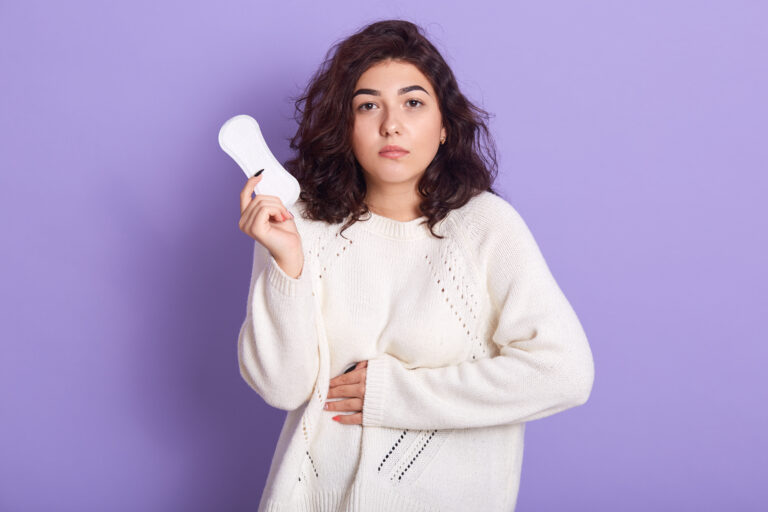
Hormonal health plays a major role in how women feel, function, and live every day. When hormones shift out of balance, it may affect everything, from mood and sleep to weight, fertility, digestion, and skin health. Conditions like thyroid disorders, PCOS, and PMS are among the most common reasons behind hormonal fluctuations, yet many women overlook early symptoms.
Understanding the signs of hormonal imbalance, knowing PMS symptoms, and learning how to treat hormonal imbalance through lifestyle changes, medical care, and the best diet for hormonal imbalance can help women maintain long-term health.
Everything you need to know is covered in this comprehensive guide.
Key Takeaways
- Hormonal imbalance in women may affect mood, weight, sleep, fertility, skin, digestion, and overall well-being.
- Thyroid disorders, PCOS, and PMS are among the most common causes of hormonal fluctuations.
- Early signs such as irregular periods, fatigue, hair fall, acne, mood changes, and weight shifts should not be ignored.
- Thyroid imbalance can cause symptoms like weight changes, anxiety, dry skin, rapid heartbeat, or low energy, depending on whether it is hypo-, or hyperthyroidism.
- PCOS is linked to irregular periods, acne, insulin resistance, hair growth, and fertility challenges.
- PMS symptoms are common, but severe or frequent symptoms may signal a deeper hormonal issue.
- Treatment may include medical care, lifestyle changes, supplements (as advised by a doctor), and consistent monitoring.
- The best diet for hormonal imbalance includes whole foods, fruits, vegetables, healthy fats, pulses, and home-cooked meals while limiting sugar and processed foods.
- Lifestyle practices like stress management, regular exercise, good sleep, hydration, and reduced screen time support hormonal health.
- Women should seek medical advice if symptoms persist, worsen, or affect daily life.
Table of Contents
1. Introduction
Hormones act as chemical messengers that regulate almost every function in the body, metabolism, growth, reproductive cycles, sleep, energy, stress response, and more. Even small shifts may affect physical and emotional well-being.
In women, hormonal changes are normal during puberty, pregnancy, postpartum, and menopause. But when fluctuations become abnormal or persistent, they may lead to conditions like PCOS, thyroid dysfunction, PMS disorders, and metabolic issues.
Recognizing early symptoms and making the right lifestyle and dietary changes may help prevent long-term complications.
2. What Is Hormonal Imbalance in Women?
Hormonal imbalance in women occurs when there is too much or too little of certain hormones, such as estrogen, progesterone, testosterone, thyroid hormones, insulin, and cortisol.
This imbalance may disrupt:
- Menstrual cycles
- Mood and emotional stability
- Weight and metabolism
- Skin and hair
- Fertility
- Sleep
- Gut health
- Energy levels
Hormonal imbalance is common but often undiagnosed, as symptoms may appear gradually.
3. Common Causes of Hormonal Imbalance
Many internal and external factors may trigger hormonal disruption:
Hormonal Causes
- PCOS
- Thyroid dysfunction (hypothyroidism or hyperthyroidism)
- Menopause or perimenopause
- PMS and PMDD
Lifestyle Causes
- High stress
- Poor sleep
- Unhealthy diet
- Lack of physical activity
Medical Causes
- Diabetes or insulin resistance
- High prolactin
- Adrenal disorders
Environmental Causes
- Exposure to chemicals
- Endocrine disruptors (packaged food, plastics, pesticides)
- Understanding the cause is essential for proper treatment.
4. Thyroid Disorders: Signs, Symptoms & Management
Thyroid hormones regulate metabolism, temperature, heart rate, and energy production. When thyroid hormones become imbalanced, women may experience major physical and emotional changes.
Hypothyroidism (Underactive Thyroid)
When the thyroid does not produce enough hormones.
Common symptoms
- Weight gain
- Fatigue
- Dry skin and hair fall
- Irregular periods
- Feeling cold
- Mood swings or depression
- Slowed metabolism
Hyperthyroidism (Overactive Thyroid)
When the thyroid produces too many hormones.
Common symptoms
- Weight loss
- Anxiety, restlessness
- Rapid heartbeat
- Excessive sweating
- Irregular periods
- Sleep disturbance
Management
- Medication under medical supervision
- Regular thyroid hormone monitoring
- Balanced diet rich in iodine, selenium, zinc
- Stress reduction and adequate sleep
Early diagnosis helps prevent long-term complications.
5. PCOS and Female Hormone Health
Polycystic Ovary Syndrome (PCOS) is one of the most common hormonal conditions affecting reproductive-age women. It may lead to imbalances in insulin, estrogen, and androgens.
Common PCOS symptoms
- Irregular or missed periods
- Acne and oily skin
- Hair fall
- Weight gain
- Facial or body hair growth
- Fertility issues
PCOS is a long-term condition but manageable through lifestyle changes, medical treatment, and nutrition.
6. PMS Symptoms: What’s Normal and What’s Not?
Premenstrual Syndrome (PMS) occurs due to hormonal changes before the menstrual cycle. While mild PMS is normal, severe or disruptive symptoms may indicate hormonal imbalance.
Common PMS symptoms
- Mood swings
- Bloating
- Headaches
- Breast tenderness
- Cramps
- Fatigue
- Food cravings
If PMS symptoms interfere with daily functioning, consulting a doctor may help diagnose an underlying issue.
7. Signs of Hormonal Imbalance You Should Not Ignore
Hormonal imbalances may show subtle or significant symptoms. Some of the most important signs of hormonal imbalance in women include:
- Irregular periods
- Sudden weight gain or weight loss
- Persistent acne
- Excessive hair fall
- Difficulty sleeping
- Low energy levels
- Mood swings or anxiety
- Hot flashes or night sweats
- Low libido
- Digestion problems
- Skin dryness or pigmentation changes
If you notice three or more symptoms consistently, medical evaluation is recommended.
8. How to Treat Hormonal Imbalance
Treatment depends on the cause, severity, and symptoms. A combination of lifestyle changes, medication (if needed), and nutrition often gives the best results.
Common treatment approaches include:
Medical Treatment
- Thyroid medication
- Birth control pills for cycle regulation
- Insulin-sensitizing medicines for PCOS
- Supplements such as vitamin D, magnesium, and omega-3 (only after medical advice)
Lifestyle Treatment
- Regular exercise
- Stress management
- Proper sleep
- Limiting sugar and processed foods
Natural Approaches That May Help
- Herbal teas
- Anti-inflammatory foods
- Mindfulness and meditation
- Yoga or stretching exercises
It is important to consult a doctor before starting any new treatment.
9. Best Diet for Hormonal Imbalance
Food plays a major role in regulating hormones. The best diet for hormonal imbalance includes nutrient-rich, whole foods that support metabolism, blood sugar control, and hormonal stability.
Foods That May Help Balance Hormones
- Leafy vegetables
- Lentils and pulses
- Whole grains
- Fresh fruits
- Healthy fats (nuts, seeds, cold-pressed oils)
- Homemade meals over packaged items
Foods to Limit
- Sugary foods
- Fried foods
- Excess salt
- Processed snacks
- Packaged beverages
Maintaining a balanced, nutrient-rich plate supports hormonal health naturally.
10. Lifestyle Tips to Restore Hormonal Health
1. Manage Stress
High cortisol can disturb estrogen, thyroid, and insulin levels.
2. Sleep 7-8 Hours
Sleep regulates hormones like leptin, ghrelin, and melatonin.
3. Stay Physically Active
Walking, yoga, strength training, and stretching may improve metabolism and insulin balance.
4. Avoid Excess Screen Time
Especially before bedtime.
5. Stay Hydrated
Water supports metabolism and detoxification.
11. When to See a Doctor
Consult a doctor if you experience:
- Unexplained weight changes
- Irregular periods for more than three months
- Severe PMS symptoms
- Excessive hair fall or sudden hair growth
- Persistent fatigue
- Fertility concerns
- Unusual skin changes or acne
Early diagnosis helps prevent long-term health issues.
Final Thoughts
Hormonal health is essential for every stage of a woman’s life. Conditions like thyroid disorders, PCOS, and PMS are common but manageable with proper care. Understanding the signs of hormonal imbalance, monitoring your symptoms, and adopting the best diet for hormonal imbalance may significantly improve overall well-being. Always consult a healthcare expert to receive accurate guidance and personalized treatment.
Need specialised women’s health care? Schedule your appointment now at Pentagon Hospital’s Gynaecology Department.
FAQs
(Frequently Asked Questions)
What are the early indicators of a female hormonal imbalance?
Irregular periods, weight changes, acne, hair fall, fatigue, and mood swings are common early signs.
How can I balance hormones naturally?
Adequate sleep, regular exercise, stress management, and a healthy diet may help.
Are PMS symptoms a sign of hormonal imbalance?
Severe or disruptive PMS symptoms may indicate an underlying imbalance.
Can diet help with hormonal imbalance?
Yes, whole foods, healthy fats, fibre-rich meals, and minimal sugar intake may support hormonal balance.
When should I seek medical help for hormone issues?
If symptoms persist for more than two to three months or interfere with daily life.
We look forward to assisting you with your healthcare needs.
Just Make an Appointment
and You’re Done!