

Orthopedic Doctor Consultation: When Should You Get an X-ray or MRI for Injury?
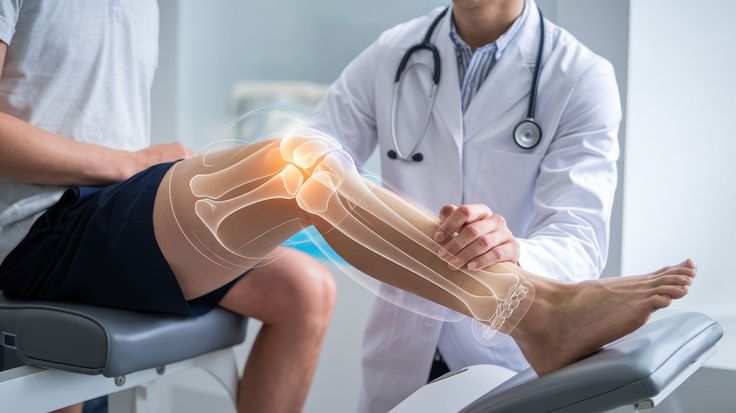
Injuries can happen anytime, whether during sports, daily activities, or unexpected accidents. While some injuries heal on their own, others require proper diagnosis to prevent long-term complications. This is where an orthopedic doctor consultation becomes essential.
A common concern among patients is whether their injury requires an X-ray or an MRI. Knowing the right time to choose these imaging tests can guide better decisions and support a quicker recovery.
Key Takeaways
- Persistent pain after an injury should not be ignored and may require imaging
- Swelling, bruising, or deformity can indicate the need for an X-ray
- Difficulty in moving a joint or limb is a sign to get evaluated with imaging
- X-rays are commonly used to detect fractures and bone-related injuries
- MRI is recommended for soft tissue injuries like ligaments, muscles, and tendons
- Severe pain immediately after trauma may require urgent imaging
- If pain worsens over time instead of improving, further scans are necessary
- Numbness or tingling after an injury may require an MRI
- Sports injuries often need MRI for detailed diagnosis
- If initial X-rays are normal but symptoms persist, MRI may be advised
- Recurrent pain in the same area should be evaluated with imaging
- Early diagnosis through imaging helps prevent complications
- Always consult an orthopedic specialist before deciding on scans
- Imaging helps in planning accurate treatment and faster recovery
Table of Contents
1. What Is an Orthopedic Doctor Consultation?
An orthopedic doctor specializes in diagnosing and treating conditions related to bones, joints, muscles, and ligaments. During an orthopedic doctor consultation, your symptoms are carefully evaluated to determine whether imaging tests like X-rays or MRIs are necessary.
This step ensures that you receive the right diagnosis and avoid unnecessary delays in treatment.
2. Why Imaging Is Important After an Injury?
Not all injuries are visible externally. Even minor-looking injuries can hide serious internal damage. Imaging tests help doctors:
- Identify fractures and bone injuries
- Detect ligament or muscle damage
- Assess joint conditions
- Plan accurate treatment
Without proper imaging, the root cause of pain may go unnoticed, leading to worsening conditions over time.
3. When Should You Get an X-ray?
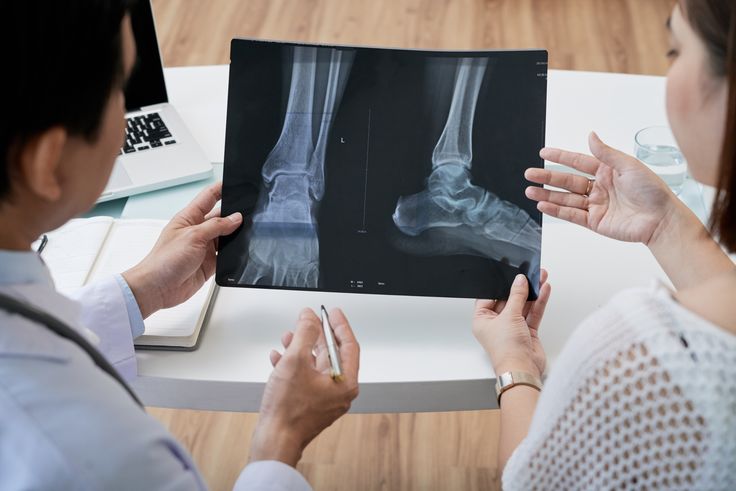
An X-ray is usually the first imaging test recommended for injuries involving bones. It is quick, widely available, and effective in detecting structural issues.
You may need an X-ray if:
- You experience swelling, bruising, or visible deformity
- There is difficulty in moving a joint or limb
- A fall or injury raises concern about a broken bone
- There is severe pain immediately after trauma
X-rays are particularly useful for diagnosing fractures, dislocations, and bone-related abnormalities.
4. When is an MRI Recommended?
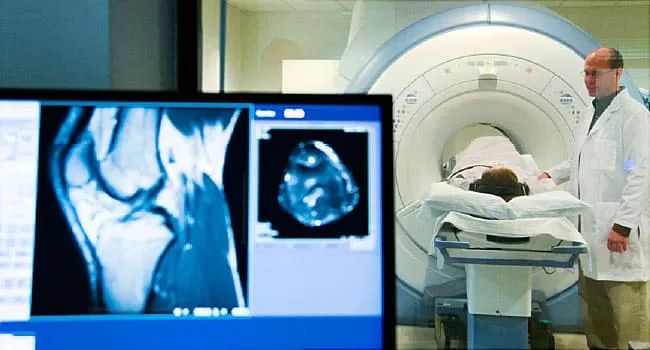
While X-rays focus on bones, MRIs provide detailed images of soft tissues like muscles, ligaments, and tendons.
An MRI may be recommended if:
- Pain persists even after a normal X-ray
- You have numbness or tingling after an injury
- There is suspicion of ligament or muscle damage
- You are dealing with a sports-related injury
- Pain worsens over time instead of improving
MRIs are highly effective for detecting internal injuries that are not visible on X-rays.
5. Key Signs You Should Not Ignore
Ignoring certain symptoms can delay diagnosis and worsen your condition. Seek medical attention if you notice:
- Persistent pain after an injury
- Swelling, bruising, or deformity
- Difficulty in moving affected areas
- Numbness or tingling sensations
- Recurrent pain in the same area
- Injury not healing over time
These signs often indicate the need for imaging and professional evaluation.
6. X-ray vs MRI: What’s the Difference?
Understanding the difference between X-rays and MRIs can help you make better healthcare decisions.
X-ray:
- Best for bone injuries
- Quick and cost-effective
- Commonly used for fractures
MRI:
- Best for soft tissue injuries
- Provides detailed internal images
- Used for ligament, muscle, and nerve issues
In many cases, doctors may start with an X-ray and recommend an MRI if further evaluation is needed.
7. Importance of Early Diagnosis
Timely diagnosis is essential for effective recovery. Postponing imaging tests can result in:
- Worsening of injuries
- Chronic pain conditions
- Reduced mobility
- Complications requiring surgery
Timely imaging ensures that the problem is identified early and treated effectively.
8. When to Consult an Orthopedic Specialist?
If you are unsure about the severity of your injury, it is always better to seek an expert opinion. An orthopedic specialist will guide you on whether you need imaging tests and what type is most suitable.
You should consider an orthopedic doctor consultation if:
- Pain persists beyond a few days
- Injury affects your daily activities
- Symptoms worsen over time
- You experience repeated injuries
Prompt consultation ensures accurate diagnosis and supports quicker recovery.
9. Choosing the Right Diagnostic Support
Access to reliable imaging services is equally important. Many patients search for the best X-ray center near me or a trusted MRI scan center Pune to ensure accurate results.
Choosing a well-equipped facility with experienced professionals ensures:
- Accurate reports
- Faster diagnosis
- Better treatment planning
10. Final Thoughts
Ignoring an injury or delaying diagnosis can lead to long-term complications that may affect your mobility and quality of life. Whether it’s persistent pain, swelling, or restricted movement, these signs should never be overlooked. Getting the right imaging at the right time, guided by an expert, can make all the difference in recovery.
An early orthopedic doctor consultation not only helps identify the exact cause of your pain but also ensures that you receive the most appropriate treatment without unnecessary delays. Remember, timely action leads to faster healing and better outcomes
Timely diagnosis is essential for effective recovery. Ignoring symptoms like persistent pain, swelling, or limited movement can lead to serious complications. Getting the right imaging at the right time ensures accurate treatment and faster healing.
Don’t wait for the pain to worsen, schedule your expert consultation today and take the first step toward a quicker, safer recovery.
FAQs
(Frequently Asked Questions)
How do I know if I need an X-ray or MRI after an injury?
If you have severe pain, swelling, difficulty moving a limb, or persistent discomfort, a doctor may recommend imaging. X-rays are usually for bones, while MRIs are for soft tissues.
Can I get an MRI without an X-ray first?
In some cases, yes. If a soft tissue injury like a ligament tear is suspected, your doctor may directly recommend an MRI.
Is it safe to delay imaging after an injury?
Delaying imaging can worsen the condition, especially if there is an undiagnosed fracture or ligament injury. Early diagnosis is always recommended.
Which is better for injury diagnosis: X-ray or MRI?
It depends on the injury. X-rays are best for fractures, while MRIs are more effective for muscles, ligaments, and internal tissues.
How soon should I consult an orthopaedic doctor after an injury?
You should consult a doctor immediately if the pain is severe, or within a few days if symptoms do not improve.
Are imaging tests painful or risky?
No, both X-rays and MRIs are non-invasive and generally safe. MRI may take longer but provides more detailed images.