

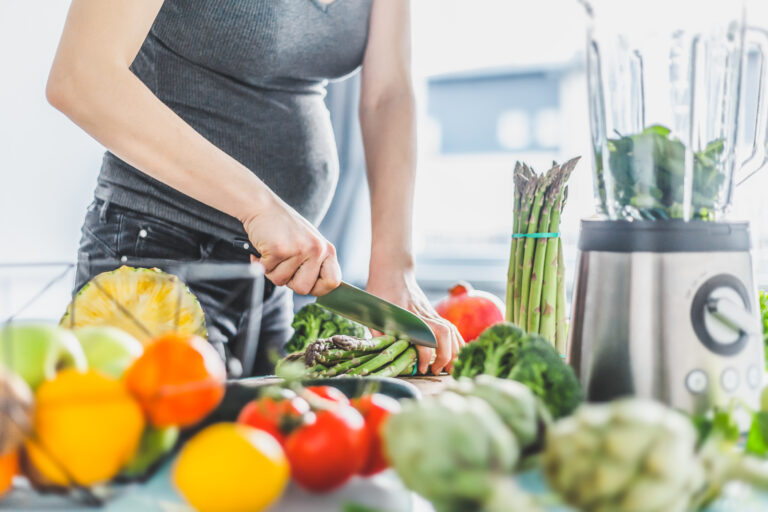
Fertility plays a crucial role in a woman’s reproductive health, and nutrition is one of the most powerful tools to support it. While medical care, lifestyle choices, and hormonal balance matter enormously, what you eat every day directly impacts ovulation, egg quality, menstrual health, and overall fertility. For thousands of women across India facing irregular periods, PCOS, thyroid imbalance, or unexplained infertility, the right fertility diet plan can help restore balance and improve the chances of conception naturally.
In this detailed guide, we explore the best fertility diet plan for women, how certain foods increase fertility in females, which traditional Indian foods support reproductive hormones, and the ideal nutritional approach before planning pregnancy.
Key Takeaways
- Fertility is deeply connected to hormonal balance, diet, sleep, and stress.
- Foods like whole grains, dals, leafy greens, seeds, nuts, and fruits support reproductive health.
- Avoid sugar, processed foods, fried snacks, and excess caffeine.
- Include fertility-boosting nutrients like folate, omega-3s, iron, and antioxidants.
- Hydration, sleep, and stress control are essential for hormone balance.
- Ayurveda recommends ghee, dates, sesame, and shatavari for fertility.
- Consult a doctor if you have irregular periods, PCOS, thyroid issues, or trouble conceiving.
Table of Contents
1. Introduction
Fertility is deeply connected to a woman’s hormonal, metabolic, and emotional health. Across India, a growing number of women face challenges like PCOS, irregular periods, thyroid disorders, obesity, low ovarian reserve, and stress-related infertility. While medical treatment is essential in many cases, nutrition can significantly support reproductive health, reduce inflammation, balance hormones, and improve menstrual regularity.
A fertility diet plan focuses on whole foods, Indian superfoods, hormone-friendly nutrients, and balanced meals that nourish both body and mind.
2. How Diet Influences Female Fertility
Food affects nearly every system related to reproduction:
Hormones
Balanced nutrients help regulate estrogen, progesterone, FSH, and insulin.
Ovulation
Studies show that a balanced diet improves ovulatory function and reduces PCOS-related issues.
Egg Quality
Antioxidant-rich foods protect eggs from oxidative stress.
Follicular Health
Healthy fats promote the production of mature, high-quality follicles.
Menstrual Cycle Regularity
Nutrient-dense traditional Indian foods support healthy cycles, reducing PMS and anovulation.
Gut Health
A strong gut microbiome influences estrogen metabolism.
Thus, food is not just fuel; it is a natural fertility booster.
3. Common Reasons for Fertility Challenges Among Indian Women
Understanding the cause helps create a more targeted fertility diet plan:
1. PCOS (Polycystic Ovary Syndrome)
Affects nearly 1 in 5 women in India, causing irregular ovulation.
2. Thyroid Disorders
Hypothyroidism and hyperthyroidism affect ovulation and periods.
3. Stress & Poor Sleep
High cortisol disrupts estrogen and progesterone.
4. Nutritional Deficiencies
Low vitamin D, B12, iron, folate, zinc, or omega-3 can reduce fertility.
5. Obesity or Being Underweight
Both extremes interfere with hormonal balance.
6. Insulin Resistance
A leading cause of PCOS-related infertility.
7. Poor Diet Quality
Excess sugar, processed foods, and fried snacks negatively impact reproductive health.
A well-designed nutrition plan can help correct several of these issues naturally.
4. Essential Nutrients for Reproductive Health
A fertility diet must include the following:
1. Folate
Improves ovulation and reduces neural tube defects.
Sources: Spinach, methi, chana, dals, broccoli
2. Iron
Supports healthy periods and reduces fatigue.
Sources: Jaggery, rajma, spinach, bajra
3. Omega-3 Fatty Acids
Improve egg quality and hormonal balance.
Sources: Flax seeds, walnuts, chia, fish (optional)
4. Vitamin D
Crucial for conception and overall hormonal function.
Sources: Sunlight, fortified milk, mushrooms
5. Protein
Essential for healthy follicle development.
Sources: Paneer, dal, chole, eggs, chicken
6. Antioxidants
Protect egg cells from damage.
Sources: Berries, citrus fruits, carrots, beetroot
7. Zinc
Supports reproductive hormones and cell growth.
Sources: Pumpkin seeds, sesame, peanuts
8. Healthy Fats
Help with hormone production.
Sources: Ghee, nuts, seeds, coconut
5. Foods That Increase Fertility in Females
Here are the best fertility-boosting foods every woman should include:
1. Ghee (in moderation)
Supports hormone production and strengthens uterine health.
2. Whole Grains
Bajra, ragi, jowar, brown rice
High in B vitamins, great for menstrual health.
3. Lentils & Legumes
Moong dal, rajma, chole
Rich in protein and folate.
4. Paneer & Curd
Supports gut health, immunity, and hormonal balance.
5. Spinach & Methi
Improve iron and folate levels.
6. Seeds Mix
Flax seeds, pumpkin, sesame, and sunflower
Great for egg quality and estrogen balance.
7. Fruits
Banana, pomegranate, apple, papaya (during early cycle only), citrus fruits
Boost antioxidants and fertility.
8. Dry Fruits
Walnuts, almonds, dates
Excellent for hormonal health.
- Coconut Water
Improves hydration and mineral balance.
10. Turmeric & Indian Spices
Anti-inflammatory and hormone-supportive.
These are some of the most science-backed foods that help fertility naturally.
6. Foods to Avoid While Trying to Conceive
Excess sugar
Increases insulin resistance → worsens PCOS.
Refined flour (maida)
Leads to inflammation and hormonal imbalance.
Fried and processed snacks
Poor egg health.
Excess caffeine
May interfere with ovulation.
Packaged juices & soft drinks
High sugar, low nutrients.
Excess soy products
Can disturb estrogen balance in some women.
Alcohol & smoking
Directly damage egg cells.
7. Daily Fertility Diet Plan Structure for Indian Women
Here is a structured approach instead of a day-wise plan:
Morning (Empty Stomach)
- Warm water with lemon
- OR soaked nuts (almonds + walnuts)
- OR flax seed powder water
Breakfast
- Besan chilla with paneer
- OR vegetable poha with peanuts
- OR oats upma with vegetables
Mid-Morning
- Seasonal fruits (banana, citrus, apple, papaya in the first half of the cycle)
- Coconut water
Lunch
- Roti (multigrain) or brown rice
- Dal or rajma/chole
- Sabzi (spinach, broccoli, beans, pumpkin)
- Curd
Evening Snack
- Roasted makhana
- OR sprouts chaat
- OR fruit smoothie
Dinner
- Light khichdi
- OR roti + sabzi + dal
- OR vegetable daliya
Bedtime
- Haldi milk
- OR chamomile tea
This structure supports blood sugar stability, hormone regulation, and fertility.
8. Hydration for Fertility
Proper hydration improves cervical mucus quality, which is essential for conception.
Drink:
- 2-3 litres of water
- Coconut water
- Buttermilk
- Herbal teas (ginger, tulsi, chamomile)
Avoid:
- Aerated drinks
- Excess packaged juices
9. Ayurvedic Approach to Fertility Foods
Ayurveda recommends foods that nourish Shukra Dhatu (reproductive tissues):
Ayurvedic Fertility-Boosting Foods
- Shatavari
- Ghee
- Dates
- Sesame seeds
- Almonds soaked overnight
- A2 milk
These support hormonal balance, improve ovulation, and reduce PMS/PCOS symptoms.
10. Lifestyle Habits That Support Fertility
Regular exercise (walking, yoga, strength training)
Sun exposure for Vitamin D
7-8 hours of sleep
Stress management (meditation, breathing exercises)
Maintaining a healthy weight
Avoiding excessive screen time
Tracking ovulation
11. When to Consult a Specialist
Consult a fertility or gynaecology expert if you experience:
- Irregular periods
- Difficulty conceiving for 12 months (or 6 months after age 35)
- PCOS symptoms
- Severe PMS
- Unexplained weight changes
- Thyroid issues
- Low ovarian reserve
Nutrition plays a huge role, but medical guidance is equally important.
Final Thoughts
A fertility diet is not a quick fix but a long-term lifestyle approach that nourishes your body, hormones, and reproductive system. For women, traditional homemade foods, whole grains, fresh produce, and mindful eating can significantly improve fertility outcomes.
If you are planning to conceive, facing PCOS, or want to improve hormonal health naturally, this fertility diet plan offers a holistic and effective way to support your reproductive journey.
Concerned about fertility, hormonal health, or women’s wellness?
Schedule an appointment with our expert Infertility team now at Pentagon Hospital.
FAQs
(Frequently Asked Questions)
1. Which Indian foods increase fertility in females?
Foods like paneer, curd, spinach, methi, dals, rajma, chana, almonds, walnuts, flaxseeds, sesame seeds (til), ghee, millets, fruits like banana & papaya (post-ovulation), sweet potatoes, and drumstick (moringa) support fertility by improving hormone balance and egg quality.
2. Does fertility diet plan really help improve fertility?
Yes. A balanced fertility diet plan rich in protein, healthy fats, antioxidants, iron, and folate can improve ovulation, regulate hormones, and support egg health. Many women experience better cycle regularity and improved natural conception chances with dietary changes.
3. What foods should I avoid when trying to conceive?
Limit or avoid:
- Junk food & deep-fried snacks
- Refined sugar and excess sweets
- Packaged foods
- Too much caffeine
- Excess maida-based foods
- Soft drinks & energy drinks
- Soy products in large quantities
- Artificial sweeteners
These foods may create inflammation and hormonal imbalance.
4. Can PCOS patients follow the same fertility diet plan?
The basics remain the same, but PCOS women should include more high-protein, low-glycemic foods like dal, sprouts, paneer, eggs, vegetables, nuts, seeds, and millets. They must strictly avoid refined sugar and junk foods to maintain insulin balance.
5. Which fruits help fertility naturally?
Fertility-boosting fruits include:
Pomegranate, banana, apple, orange, papaya (only after ovulation), kiwi, berries (if available), and guava.
These are rich in antioxidants that protect egg cells.
6. Does milk help with fertility?
Yes. Full-fat milk, curd, paneer, and ghee may support hormone balance. Completely avoiding dairy is not recommended unless you are lactose intolerant.
7. Is coffee harmful to fertility?
1 small cup of coffee per day is fine.
More than 200 mg of caffeine per day may affect ovulation.
8. Can I eat eggs while trying to conceive?
Absolutely. Eggs are one of the best fertility-boosting foods rich in protein, choline, omega-3, zinc, and essential nutrients that support egg quality.
9. How long does it take for a fertility diet plan to show results?
Every woman is different, but generally:
6-12 weeks of consistent dietary and lifestyle changes show improvement in cycles, energy levels, and hormonal balance.
10. Do fertility foods guarantee pregnancy?
No food can guarantee pregnancy, but the right diet significantly increases the chances of conception, supports hormonal balance, and improves overall reproductive health.
11. Can overweight or underweight women improve fertility with diet?
Yes. A healthy fertility diet:
- Helps overweight women reduce inflammation and insulin resistance.
- Helps underweight women gain the right nutrients to support ovulation.
Ideal weight improves chances of natural conception.
12. Should I continue the fertility diet plan after pregnancy?
A fertility-focused diet is generally healthy and can safely be continued during the early weeks of pregnancy.
Your doctor may recommend additions like folic acid, iron, vitamin D, or calcium.
We look forward to assisting you with your healthcare needs.
Just Make an Appointment
and You’re Done!