




Zara Mirza
4 months ago
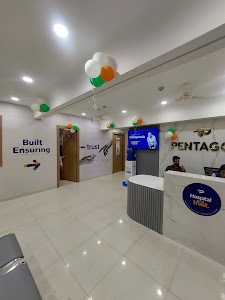
“If you are looking for the best hospital in Wakad, I highly recommend this hospital for its excellent medical care, experienced doctors, and supportive staff. The entire team is professional, caring, and attentive to patients’ needs. The hospital is very clean, well-maintained, and equipped with modern facilities. From consultation to treatment, the process was smooth and stress-free. Doctors explained everything clearly and provided the best guidance throughout the treatment journey. Truly one of the most trusted and best hospitals in Wakad for quality healthcare services.”

Rahul Chaurasia
4 months ago
In recent times, I had the opportunity to visit Pentagon Hospital because of an emergency situation involving a member of my family. It should be noted that during my stay at the hospital, my experience was purely positive, from start to finish. The medical personnel consisted of experienced doctors and were very friendly and polite; they were very careful in explaining every point to us, which instilled much more confidence in us. Hygiene, sanitation, and the availability of modern facilities were also very satisfactory. But most importantly, what impressed me about the hospital was its customer-oriented approach, prompt response, information transparency, and professionalism in every aspect of its work. That is why I can advise Pentagon Hospital to anyone who would like to visit the Best Hospital in Wakad.

Ashwini Sonawane
4 months ago
I had a very positive experience at Multispeciality Hospital in wakad. The service was smooth, the staff was friendly and helpful, and the doctors were knowledgeable and attentive. They handled everything professionally and made me feel comfortable. Highly recommended.

sonali patil
4 months ago
Pentagon Super Speciality Hospital in wakad has state-of-the-art facilities and a team of highly qualified doctors who have delivered exceptional patient care. It is run by well-known super specialist with a patient patient-centric approach. Highly recommend Pentagon Super Speciality Hospital in wakad.

Shaikh Arshiya
4 months ago
I had a very good experience during my visit. The doctor was extremely kind, helpful, and understanding. They listened to my concerns patiently and made me feel comfortable throughout the consultation. The way everything was explained was clear and easy to understand, which really helped me feel more confident and relaxed. I truly appreciate the doctor’s supportive and caring nature. Thank you for the excellent service

Amegha Nandode
6 months ago
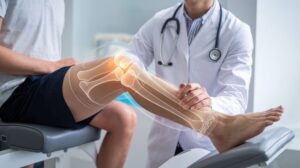
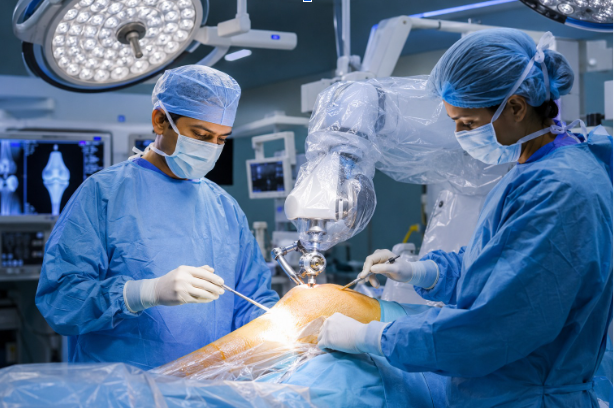
I had meniscus surgery performed by Dr. Kapil Saoji at Pentagon Hospital, and my experience was excellent from start to finish. The doctor explained the procedure clearly and made me feel confident about the treatment. The surgery itself went very well, but what really stood out was the post-surgery care.
Dr. Kapil Saoji regularly followed up on my recovery, patiently answered my questions, and provided clear guidance on physiotherapy and precautions. Thanks to the doctor’s support and monitoring, I was able to recover well and walk again with confidence. I’m truly thankful for the professionalism, skill, and genuine care shown throughout my recovery.
Dr. Kapil Saoji regularly followed up on my recovery, patiently answered my questions, and provided clear guidance on physiotherapy and precautions. Thanks to the doctor’s support and monitoring, I was able to recover well and walk again with confidence. I’m truly thankful for the professionalism, skill, and genuine care shown throughout my recovery.

Gajanan Kogirwar
7 months ago
Dear Dr. Shraddha Galgali, Dr. Devashree Choudhari, Dr. Kuldip Shimpi, Nursing Team, Support Staff, and Pentagon Hospital Team,
Thank you for the outstanding care during my wife’s delivery on 18 Feb 2026. Your professionalism, compassion, and expertise shone from arrival to discharge.
Dr. Shraddha Galgali: Your calm guidance and timely decisions ensured a smooth delivery—we’re truly grateful.
Dr. Kuldip Shimpi: Your thorough newborn check-up and reassurance built our confidence right away.
Nurses and Support Staff: Your round-the-clock patience, breastfeeding help, and family-like care were unmatched.
Hospital Team: Clean facilities, efficient billing/claims, great meals, pain management, and counseling reflect Pentagon Multi Speciality Hospital’s excellence.
You set Pune’s gold standard for maternity care. We’ll recommend you highly—thank you for a joyful parenthood journey!
Warm regards,
Gajanan and Smita K
Happy Parents 😊❤️
Thank you for the outstanding care during my wife’s delivery on 18 Feb 2026. Your professionalism, compassion, and expertise shone from arrival to discharge.
Dr. Shraddha Galgali: Your calm guidance and timely decisions ensured a smooth delivery—we’re truly grateful.
Dr. Kuldip Shimpi: Your thorough newborn check-up and reassurance built our confidence right away.
Nurses and Support Staff: Your round-the-clock patience, breastfeeding help, and family-like care were unmatched.
Hospital Team: Clean facilities, efficient billing/claims, great meals, pain management, and counseling reflect Pentagon Multi Speciality Hospital’s excellence.
You set Pune’s gold standard for maternity care. We’ll recommend you highly—thank you for a joyful parenthood journey!
Warm regards,
Gajanan and Smita K
Happy Parents 😊❤️

Satish Gayke
7 months ago
We would like to express our heartfelt gratitude to Pentagon Hospital for the wonderful care and support we received during the delivery of our baby.
From the beginning, the entire hospital staff has been extremely cooperative, supportive, and professional. The facilities are excellent, well-maintained, and designed to ensure comfort and safety for both mother and baby.
A special thank you to Dr. Revati Latane for safely conducting the delivery. Her expertise, calm approach, and reassuring guidance throughout the pregnancy gave us immense confidence. As this was a GDM case, we were naturally concerned, but she managed everything very smoothly.
We are equally grateful to Dr. Anup Latane for carefully managing my wife’s sugar levels during pregnancy. His constant monitoring and timely advice played a crucial role in ensuring a safe and healthy outcome.
We would also like to sincerely appreciate Mrs. Vina from the hospital administration. She helped us understand all the facilities clearly and supported us at every step, making the entire process smooth and stress-free.
The hospital made our journey even more special by celebrating our baby’s birth with a cake-cutting ceremony, which was truly heartwarming. The earlier baby shower celebration organized by the hospital was also overwhelming and made us feel valued and cared for.
All the doctors are highly knowledgeable and comforting. The nursing staff and housekeeping staff are excellent, they took great care of both mother and baby and were always attentive and compassionate.
Dr. Kukdeep Shimpi sir also took very good care of our baby and helped diagnose and recover his jaundice.
Thank you, Pentagon Hospital, for making this life-changing experience so memorable and beautiful for our family. We truly appreciate the dedication and care of the entire team.
From the beginning, the entire hospital staff has been extremely cooperative, supportive, and professional. The facilities are excellent, well-maintained, and designed to ensure comfort and safety for both mother and baby.
A special thank you to Dr. Revati Latane for safely conducting the delivery. Her expertise, calm approach, and reassuring guidance throughout the pregnancy gave us immense confidence. As this was a GDM case, we were naturally concerned, but she managed everything very smoothly.
We are equally grateful to Dr. Anup Latane for carefully managing my wife’s sugar levels during pregnancy. His constant monitoring and timely advice played a crucial role in ensuring a safe and healthy outcome.
We would also like to sincerely appreciate Mrs. Vina from the hospital administration. She helped us understand all the facilities clearly and supported us at every step, making the entire process smooth and stress-free.
The hospital made our journey even more special by celebrating our baby’s birth with a cake-cutting ceremony, which was truly heartwarming. The earlier baby shower celebration organized by the hospital was also overwhelming and made us feel valued and cared for.
All the doctors are highly knowledgeable and comforting. The nursing staff and housekeeping staff are excellent, they took great care of both mother and baby and were always attentive and compassionate.
Dr. Kukdeep Shimpi sir also took very good care of our baby and helped diagnose and recover his jaundice.
Thank you, Pentagon Hospital, for making this life-changing experience so memorable and beautiful for our family. We truly appreciate the dedication and care of the entire team.

vishakha gondane
8 months ago
⭐️⭐️⭐️⭐️⭐️
Our experience at Pentagon Hospital for our baby’s delivery was truly exceptional. Dr. Revati Latne is an outstanding doctor—highly experienced, calm, and incredibly reassuring. Her clear guidance, patience, and confident approach gave us complete peace of mind throughout the entire process. We always felt safe and well informed under her care.
The nursing and support staff were equally commendable—compassionate, attentive, and consistently supportive, especially during crucial moments. The hospital maintained excellent standards of cleanliness, hygiene, and organization, creating a comfortable and trustworthy environment.
We are deeply grateful to Dr. Revati Latne and the entire team at Pentagon Hospital for their professionalism, empathy, and dedication in helping us welcome our baby safely. We would highly recommend this hospital and doctor to any expecting parents.
Our experience at Pentagon Hospital for our baby’s delivery was truly exceptional. Dr. Revati Latne is an outstanding doctor—highly experienced, calm, and incredibly reassuring. Her clear guidance, patience, and confident approach gave us complete peace of mind throughout the entire process. We always felt safe and well informed under her care.
The nursing and support staff were equally commendable—compassionate, attentive, and consistently supportive, especially during crucial moments. The hospital maintained excellent standards of cleanliness, hygiene, and organization, creating a comfortable and trustworthy environment.
We are deeply grateful to Dr. Revati Latne and the entire team at Pentagon Hospital for their professionalism, empathy, and dedication in helping us welcome our baby safely. We would highly recommend this hospital and doctor to any expecting parents.

Swapnil Ranwade
9 months ago
We had an amazing experience at Pentagon Hospital for my wife’s maternity treatment and delivery. Dr. Revati Latne was our doctor, and she guided us like a close friend through every stage of the pregnancy. She ensured we got enough chances for a normal delivery and when a C-section became necessary, she handled it exceptionally well with complete confidence and care.
A big appreciation to Veena madam, the Head of Staff, who made sure our entire hospital experience was smooth and stress-free. She supported us in every situation and was always available for help.
The nursing and night care team deserves a special mention — they are extremely well-trained, attentive, and compassionate. We never felt the need for additional family support for baby or mother because the staff took care of every small detail. Doctors also visited twice daily and always addressed all our concerns patiently.
The rooms are very clean and well-maintained. Baby vaccinations and pediatric support are excellent too. The hospital has NICU facilities available, but thankfully we did not require them.
One heart-warming gesture we will always remember — the staff decorated our room with balloons and even brought a cake to celebrate the arrival of our baby. It truly made our special moment even more memorable.
Only minor improvements could be made in terms of cafeteria options and more parking availability. But overall, we felt genuinely cared for and supported throughout our journey.
Highly recommended for maternity care and delivery! ⭐⭐⭐⭐⭐
A big appreciation to Veena madam, the Head of Staff, who made sure our entire hospital experience was smooth and stress-free. She supported us in every situation and was always available for help.
The nursing and night care team deserves a special mention — they are extremely well-trained, attentive, and compassionate. We never felt the need for additional family support for baby or mother because the staff took care of every small detail. Doctors also visited twice daily and always addressed all our concerns patiently.
The rooms are very clean and well-maintained. Baby vaccinations and pediatric support are excellent too. The hospital has NICU facilities available, but thankfully we did not require them.
One heart-warming gesture we will always remember — the staff decorated our room with balloons and even brought a cake to celebrate the arrival of our baby. It truly made our special moment even more memorable.
Only minor improvements could be made in terms of cafeteria options and more parking availability. But overall, we felt genuinely cared for and supported throughout our journey.
Highly recommended for maternity care and delivery! ⭐⭐⭐⭐⭐