
How to Treat Ankle Injury: Best Treatment Options for Ankle Injuries

Ankle injuries are extremely common and can happen to anyone; whether during sports, daily activities, or even a simple misstep. While some injuries are minor, others can lead to long-term discomfort if not treated correctly. Knowing how to treat ankle injury the right way is essential for proper healing and avoiding future complications.
Many people tend to ignore ankle pain, assuming it will improve with time. However, untreated injuries can lead to instability, repeated sprains, and chronic pain. Understanding the available treatment options helps ensure faster recovery and better joint health.
Key takeaways
- Early diagnosis is important to identify the severity of the ankle injury and choose the right treatment approach.
- Mild ankle injuries like sprains can often be managed with rest, ice application, compression, and elevation (RICE method).
- Physiotherapy plays a key role in strengthening the ankle, improving flexibility, and preventing future injuries.
- Pain relief medications may be recommended to reduce swelling and discomfort during the initial recovery phase.
- Support devices such as ankle braces or compression bandages help stabilize the joint and promote healing.
- In cases of ligament tears or fractures, immobilization with a cast or splint may be required.
- Severe injuries may need surgical treatment to repair damaged ligaments, tendons, or bones.
- Gradual return to activity is essential to avoid re-injury and ensure complete recovery.
- Ignoring ankle injuries or delaying treatment can lead to chronic pain, instability, or long-term joint problems.
- Consulting an orthopedic specialist ensures proper diagnosis and a personalized treatment plan for faster and safer recovery.
Table of Contents
1. How to Treat Ankle Injury: Understanding the Basics
When it comes to how to treat ankle injury, the first step is identifying how serious the injury is. A mild sprain may only need basic care, while a severe injury might require medical treatment or surgical intervention.
Early evaluation is important because it helps in selecting the correct treatment method. Ignoring symptoms or continuing physical activity can worsen the injury and delay healing
2. Types of Ankle Injuries
Different types of ankle injuries require different treatment approaches. The most common include:
- Sprains: Stretching or tearing of ligaments due to sudden twisting
- Fractures: Breaks in one or more bones in the ankle
- Ligament damage: Partial or complete tears affecting joint stability
- Tendon injuries: Irritation or rupture of tendons supporting the ankle
Understanding the type of injury helps in deciding the most effective treatment plan.
3. First Aid for Ankle Injuries
Early care plays a vital role in reducing pain and preventing the injury from worsening, especially within the first few hours.
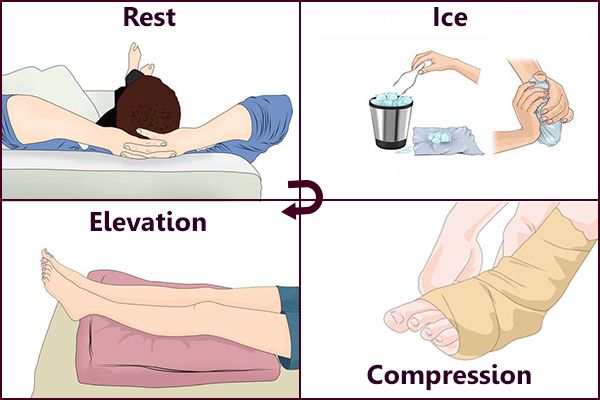
A widely recommended approach is the RICE method:
- Rest: Limit movement and avoid putting pressure on the affected ankle
- Ice: Apply cold packs at regular intervals to help reduce swelling and discomfort
- Compression: Use an elastic bandage to provide support and control swelling
- Elevation: Keep the ankle elevated above heart level to minimize inflammation
This method is widely recommended as the first step in how to treat ankle injury, particularly for mild to moderate cases.
Doctors may also prescribe medications to manage pain and swelling during the initial phase.
4. Importance of Ankle Brace for Recovery
An ankle brace for recovery can play a significant role in healing, especially when the joint needs support and protection.
Benefits of using an ankle brace include:
- Improved joint stability
- Reduced strain during movement
- Lower risk of re-injury
- Better confidence while walking or standing
Using the right type of brace, as advised by a doctor, can help speed up recovery and improve overall outcomes.
5. Non-Surgical Treatment Methods
Many ankle injuries can be successfully managed without surgery. These treatments focus on reducing pain and restoring normal function.
- Physiotherapy
Rehabilitation exercises help strengthen muscles, improve balance, and restore flexibility.
- Medication
Anti-inflammatory drugs are commonly used to relieve pain and swelling.
- Immobilization
In some cases, a cast or splint may be required to keep the ankle stable and allow proper healing.
- Controlled Activity
Limiting movement initially and gradually returning to activity helps prevent further damage.
These methods are essential when learning how to treat ankle injury effectively without invasive procedures.
6. When Is Surgery Needed?
Surgery is usually considered when the injury is severe or does not improve with conservative treatment.
You may need surgery if:
- There is a complete ligament rupture
- The ankle joint becomes unstable
- A fracture is complex or displaced
- Pain continues despite proper treatment
Surgical procedures aim to repair damaged tissues and restore the normal function of the ankle joint.
7. Importance of Consulting an Orthopedic Surgeon for Ankle Injury
Consulting an orthopedic surgeon for ankle injury ensures that your condition is accurately diagnosed and treated.
A specialist will:
- Assess your pain level, mobility, and how the injury occurred
- Suggest diagnostic tests like scans or imaging for accurate evaluation
- Create a customized treatment plan based on your condition
- Support you throughout the healing process with proper recovery guidance
Early medical attention can help avoid complications like long-term instability or repeated injuries.
If you’re dealing with ongoing ankle pain, swelling, or difficulty in movement, don’t delay care. Consult an experienced orthopedic surgeon for ankle injury at Pentagon Multispeciality Hospital for proper diagnosis and effective treatment.
8. Recovery and Prevention Tips
Healing doesn’t stop after treatment; it continues through proper care and rehabilitation.
- Follow medical advice carefully
- Use support like braces when recommended
- Complete your physiotherapy sessions
- Avoid sudden movements or heavy activity
- Gradually return to your routine
Taking these steps helps ensure complete recovery and reduces the chances of future injuries.
9. Final Thought
Ankle injuries should never be taken lightly. Even a minor injury can turn into a long-term issue if not treated properly. Understanding how to treat ankle injury and taking timely action can make a big difference in your recovery.
From basic care to advanced treatment options, every step matters. Using the right support, such as an ankle brace for recovery, and following proper rehabilitation can help restore strength and mobility.
Don’t ignore persistent pain or swelling. Book your consultation with an experienced orthopedic surgeon for ankle injury at Pentagon Multispeciality Hospital and take the first step towards a safe, complete, and pain-free recovery.
FAQs
(Frequently Asked Questions)
What should I do immediately after an ankle injury?
You should follow the RICE method; rest, ice, compression, and elevation; to reduce swelling and pain.
Does an ankle brace really help in recovery?
Yes, an ankle brace for recovery provides support, limits movement, and helps prevent further injury.
When should I see a doctor for an ankle injury?
If pain, swelling, or difficulty walking continues for more than a few days, you should consult a specialist.
Can all ankle injuries be treated without surgery?
Most ankle injuries heal with non-surgical treatment, but severe cases may require surgery.
How long does ankle injury recovery take?
Recovery time depends on the severity, but mild injuries may heal within weeks, while severe injuries can take several months.