
Joint pain, stiffness, swelling, back pain, sports injuries, and difficulty moving can make even simple daily activities uncomfortable. Whether the problem developed gradually or followed an injury, getting the right diagnosis is an important first step toward effective treatment.
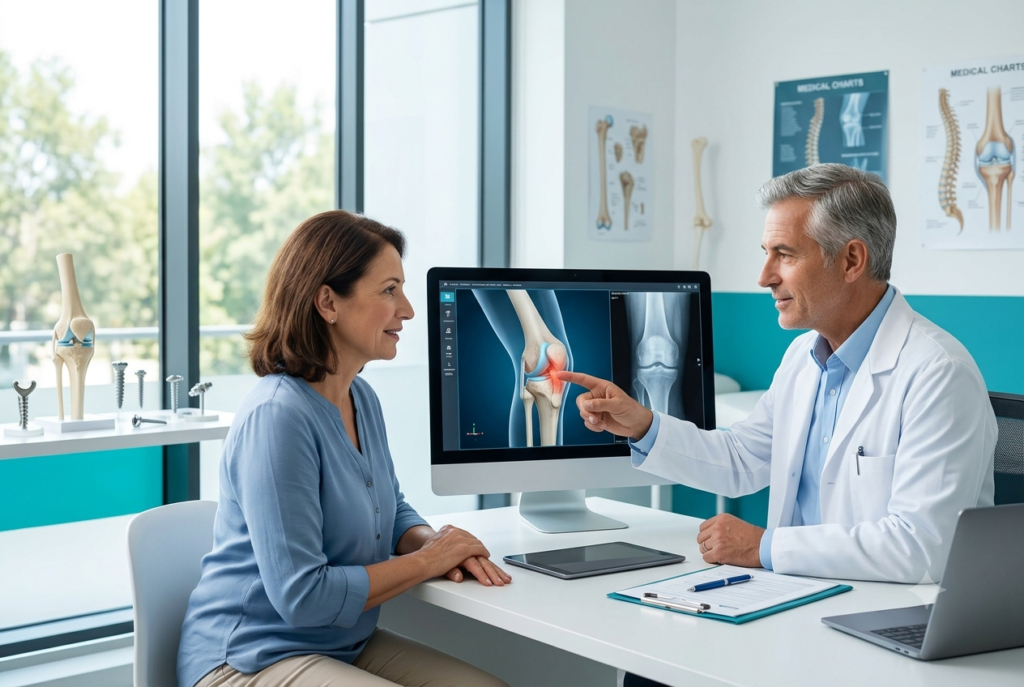
An Orthopedic Consultation in Wakad gives you an opportunity to discuss your symptoms with a specialist, understand what may be causing them, and learn which treatment options may be suitable. Depending on the condition, treatment may involve medicines, physiotherapy, activity modification, injections, minimally invasive procedures, or surgery.
For people living or working in Wakad, access to orthopedic care can be especially useful because the area has a large residential and working population. Instead of continuing to manage persistent pain on your own, a timely consultation can help identify the problem before it starts affecting mobility and quality of life.
When Should You Consider an Orthopedic Consultation?
Not every ache or pain requires a specialist visit. However, symptoms that persist, worsen, or interfere with normal activities deserve proper evaluation.
Consider scheduling an Orthopedic Doctor in Wakad if you experience:
- Persistent knee or hip pain
- Shoulder pain or restricted movement
- Repeated ankle sprains
- Foot pain while walking
- Back or neck discomfort
- Joint swelling or stiffness
- Sports-related injuries
- Difficulty climbing stairs
- Pain after an accident or fall
- Recurrent fractures or bone problems
- Difficulty walking normally
- Reduced range of motion
- Pain that interferes with sleep
- Symptoms that continue despite home care
The purpose of seeing an orthopedic doctor is not necessarily to undergo surgery. In many cases, early evaluation can help determine whether conservative treatment is appropriate.
Your First Orthopedic Visit: What Actually Happens?
Many patients feel uncertain before their first appointment because they do not know what the doctor will ask or whether they need to bring previous medical reports.
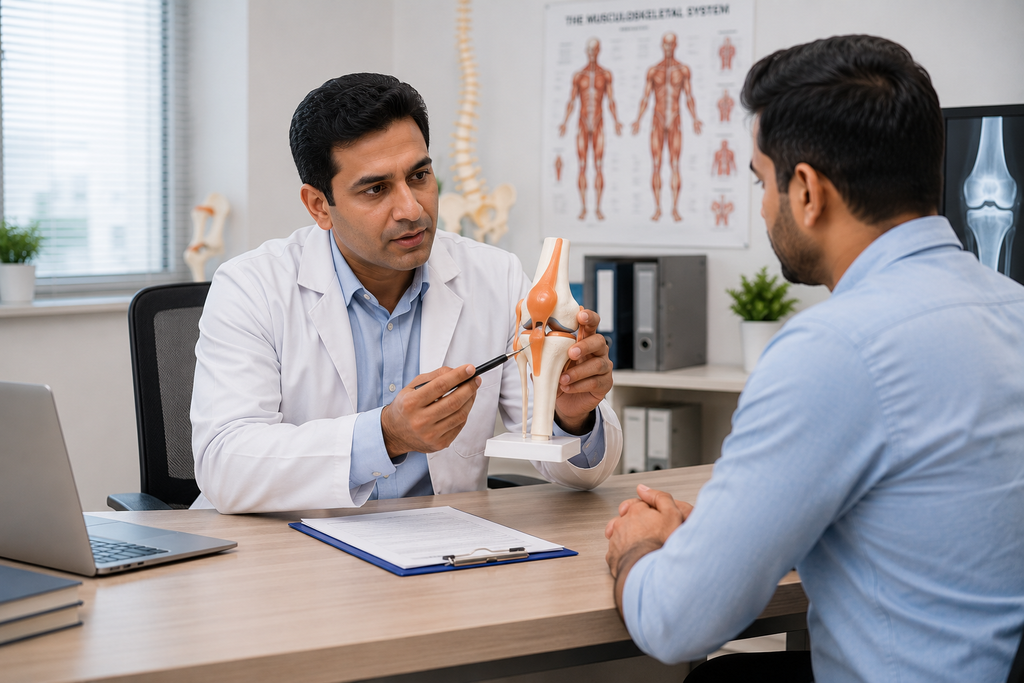
An orthopedic consultation is generally a step-by-step process designed to understand your symptoms and evaluate the affected area.
1. The Consultation Begins With Your Symptoms
The doctor will first want to understand what you are experiencing.
You may be asked:
- Where exactly does it hurt?
- When did the pain begin?
- Was there an injury?
- Is the pain constant or occasional?
- What activities make it worse?
- Does rest improve the symptoms?
- Do you experience swelling or stiffness?
- Has your mobility changed?
- Have you already tried any treatment?
Try to describe your symptoms honestly rather than minimizing them.
For example, instead of simply saying “my knee hurts,” explain whether the pain occurs while walking, climbing stairs, sitting for long periods, or at night.
These details can help the doctor understand the pattern of your condition.
2. Your Medical and Injury History Matters
Orthopedic problems are not always caused by a recent injury.
An old fracture, previous surgery, sports injury, repetitive strain, or long-term joint condition may contribute to your current symptoms.
During your Orthopedic Consultation in Wakad, the doctor may therefore ask about:
- Previous orthopedic injuries
- Past surgeries
- Existing medical conditions
- Previous physiotherapy
- Medicines you are currently taking
- Previous injections or procedures
- Sports and physical activities
- Your work routine
- Changes in mobility
For patients with long-standing joint problems, this history can be particularly helpful in understanding how the condition has progressed.
3. The Orthopedic Examination
After discussing your symptoms, the doctor may physically examine the affected area.
The examination can vary depending on your complaint.
For knee pain, the doctor may assess:
- Range of motion
- Joint stability
- Swelling
- Tenderness
- Alignment
- Walking pattern
- Muscle strength
For shoulder problems, movement, strength, stability, and areas of tenderness may be evaluated.
For foot and ankle problems, the examination may include walking assessment, joint movement, stability, swelling, and the condition of surrounding structures.
This physical examination helps the orthopedic doctor connect your symptoms with possible underlying problems.
4. Do You Always Need an X-Ray or MRI?
No.
The need for diagnostic imaging depends on your symptoms and the findings during the examination.
An orthopedic doctor may recommend an X-ray when information about bones, joint spaces, alignment, or arthritis is needed.
An MRI may be considered when more detailed information about structures such as ligaments, cartilage, tendons, or other soft tissues is required.
Other tests may also be recommended depending on the condition.
The important point is that imaging should support the clinical evaluation rather than replace it.
Common Problems Discussed During Orthopedic Consultations
An orthopedic clinic may evaluate a wide range of conditions affecting bones, joints, muscles, ligaments, and tendons.
Knee Problems
Knee pain may result from arthritis, ligament injuries, meniscus problems, cartilage damage, or other conditions.
Hip Problems
Hip arthritis, injuries, stiffness, and degenerative joint conditions can affect walking and daily activities.
Shoulder Conditions
Shoulder pain may be related to tendon problems, stiffness, instability, arthritis, or sports injuries.
Foot and Ankle Conditions
Sprains, fractures, instability, deformities, and chronic foot pain may require orthopedic evaluation.
Sports Injuries
Athletes and active individuals may experience ligament injuries, muscle strains, fractures, and joint problems.
Fractures and Trauma
Falls, road accidents, workplace injuries, and sports accidents can cause injuries requiring immediate orthopedic assessment.
Spine and Musculoskeletal Problems
Certain back, neck, and musculoskeletal conditions may also require orthopedic evaluation, depending on the symptoms.
What Treatment Could Be Recommended After Your Visit?
The treatment plan depends entirely on the diagnosis.
An orthopedic specialist may recommend one or a combination of approaches.
Medication
Medicines may be recommended to manage pain, inflammation, or an underlying condition when appropriate.
Physiotherapy
Physiotherapy can help improve strength, flexibility, balance, and joint function.
It may be recommended before or after surgery and can also be an important standalone treatment for several orthopedic problems.
Lifestyle and Activity Changes
Sometimes modifying specific activities can reduce stress on the affected joint.
The doctor may provide guidance about exercise, weight management, posture, footwear, or activity levels depending on the condition.
Injections
In selected cases, injections may be considered as part of symptom management.
Their suitability depends on the diagnosis and individual circumstances.
Minimally Invasive Procedures
Certain orthopedic problems can be managed using minimally invasive or arthroscopic procedures when clinically appropriate.
Joint Replacement
Advanced joint damage may sometimes require joint replacement when pain and functional limitations are significant and other suitable treatments have not provided adequate relief.
This may include Knee Replacement Surgeon in Wakad or Hip Replacement Surgeon in Wakad services depending on the affected joint.
Why Early Orthopedic Evaluation Can Make a Difference
Many people wait until pain becomes severe before seeking professional help.
This can happen when patients assume that joint pain is simply part of aging or that an old injury will eventually settle down.
However, persistent symptoms deserve attention.
An early Orthopedic Consultation in Wakad may help identify the underlying condition and establish an appropriate treatment plan.
Early evaluation can also help patients understand what activities they should modify and whether rehabilitation could help prevent further functional limitations.
Meet Orthopedic Specialists You Can Consult in Wakad
When searching for an orthopedic doctor, it is useful to consider the specialist’s area of expertise as well as the location of the clinic or hospital.
For patients seeking orthopedic care in Wakad, different specialists may be appropriate for different conditions.
Dr. Siddhesh Parab – Orthopedic Surgeon in Wakad
Dr. Siddhesh Parab provides orthopedic care for patients with joint problems, knee and hip conditions, trauma, fractures, and other musculoskeletal concerns.
His clinical expertise includes joint surgery, hip surgery, knee replacement, and trauma-related orthopedic care. Patients experiencing persistent knee pain or advanced joint problems can discuss their symptoms and treatment options during an orthopedic evaluation.
For patients looking for an Orthopedic Surgeon in Wakad, a consultation can help determine whether conservative treatment, rehabilitation, joint procedures, or replacement surgery may be appropriate.
Patients exploring options such as a Joint Replacement Surgeon in Wakad, Knee Replacement Surgeon in Wakad, or Robotic Hip Replacement Doctor in Wakad can discuss their individual requirements during a specialist consultation.
The treatment recommendation should always depend on the patient’s diagnosis, joint condition, overall health, and functional goals.
Dr. Kapil Saoji – Foot & Ankle and Joint Care
Dr. Kapil Saoji focuses on orthopedic conditions involving the foot, ankle, lower limb, and selected joint-related problems.
As a Foot & Ankle Specialist in Wakad, he can be consulted for conditions such as ankle injuries, instability, sports-related foot problems, and other conditions affecting mobility.
Patients looking for an Ankle Injury Specialist near Wakad may benefit from a detailed assessment when pain or instability continues after an injury.
His area of orthopedic care also includes knee and joint replacement procedures, making him relevant for patients exploring knee replacement surgery in Wakad when clinically indicated.
What Makes a Good Orthopedic Consultation?
A useful consultation should give you more than a diagnosis.
It should help you understand what is wrong, why it is happening, and what can be done about it.
Clear Diagnosis
You should understand the suspected cause of your symptoms and what investigations, if any, are required.
Treatment Options
Ask whether your condition can be managed without surgery and what alternatives are available.
Realistic Expectations
Every treatment has limitations. Your doctor should explain what improvement you can reasonably expect.
Recovery Guidance
If physiotherapy or surgery is recommended, ask about recovery, activity restrictions, and rehabilitation.
Opportunity to Ask Questions
A consultation should give you the opportunity to discuss your concerns rather than simply receiving a prescription or procedure recommendation.
Questions to Ask Your Orthopedic Doctor
It is normal to have questions during your first appointment.
Consider asking:
What is causing my pain?
Understanding the underlying problem is the foundation of treatment.
Do I need an X-ray or MRI?
Your doctor can explain whether imaging is necessary and what it may reveal.
Can my condition improve without surgery?
This is particularly important if you are worried about undergoing a procedure.
What treatment should I try first?
Ask about medication, physiotherapy, lifestyle changes, injections, or other appropriate options.
If surgery is recommended, why do I need it?
Understanding the reason for surgery can help you make an informed decision.
How long could recovery take?
Recovery varies based on the procedure and individual health factors.
What should I avoid doing right now?
Knowing which activities may worsen your condition can help protect the affected area.
If You Are Searching for an Orthopedic Doctor Near You
Online searches such as best Orthopedic Surgeon near me can produce numerous results.
However, proximity should not be the only factor when choosing a specialist.
Consider whether the doctor has experience with your particular condition.
For example, someone with severe knee arthritis may need a joint replacement specialist, while a person with recurring ankle instability may benefit from a foot and ankle specialist.
Similarly, someone with a sports injury may need a doctor experienced in sports-related orthopedic conditions.
The best choice is therefore not necessarily the doctor with the most general services, but the specialist whose expertise fits your clinical needs.
When Knee Pain Requires a More Detailed Evaluation
Knee pain is one of the most common reasons people seek orthopedic care.
Initially, symptoms may appear only after physical activity.
Over time, however, some patients experience pain during routine activities such as walking, standing, climbing stairs, or getting out of a chair.
If symptoms become persistent, a specialist can assess whether the problem is related to arthritis, cartilage damage, ligament injury, or another condition.
Patients with advanced joint degeneration may eventually be evaluated by a Knee Replacement Surgeon in Wakad to determine whether joint replacement is appropriate.
Robotic-assisted procedures may also be discussed for selected patients. A Best Robotic Knee Replacement Surgeon in Wakad should be chosen based on appropriate surgical expertise and patient evaluation rather than technology alone.
Hip Pain Should Not Always Be Blamed on Age
Hip stiffness and pain can also affect mobility.
Some patients experience difficulty walking, putting on shoes, climbing stairs, or getting into a vehicle.
Hip pain may have several causes, and an orthopedic evaluation can help determine whether the problem is muscular, joint-related, injury-related, or degenerative.
When advanced hip joint damage is present, a Hip Replacement Surgeon in Wakad may evaluate whether hip replacement could improve pain and function.
Patients considering advanced treatment can also ask whether options such as Robotic Hip Replacement Surgery are suitable for their condition.
Foot and Ankle Problems Can Affect the Whole Leg
Your feet and ankles play an important role in balance and walking.
An untreated ankle injury, chronic instability, or painful foot condition may cause a person to change the way they walk.
Over time, altered movement can affect other joints and muscles.
This is why persistent foot and ankle symptoms should not simply be ignored.
A Foot & Ankle Specialist in Wakad can evaluate the problem and recommend appropriate treatment, which may range from rehabilitation to surgical management.
People involved in sports may also require specialized Sports Foot Injury Treatment Wakad after an injury.
What Should You Bring to Your First Appointment?
A little preparation can make your Orthopedic Consultation in Wakad more useful.
If available, bring:
- Previous X-rays or MRI scans
- Medical reports
- Previous prescriptions
- Details of earlier orthopedic treatment
- A list of current medications
- Information about previous surgeries
- Details of previous injuries
Also, think about your symptoms before the appointment.
Knowing when your pain started, what makes it worse, and how it affects your daily activities can help the doctor understand your condition more clearly.
Don’t Wait Until Pain Controls Your Routine
Orthopedic problems can gradually affect the way you move.
You may stop exercising because your knee hurts. You may avoid stairs because your hip feels stiff. You may stop playing a sport because of recurring ankle injuries.
These changes can seem small initially, but they can eventually reduce your overall activity and independence.
An Orthopedic Consultation in Wakad can provide clarity about what is causing the problem and what treatment options may be available.
The earlier you understand the condition, the easier it can be to make informed decisions about managing it.
Frequently Asked Questions
What happens during an Orthopedic Consultation in Wakad?
The appointment generally involves discussing your symptoms and medical history, performing a physical examination, reviewing previous reports, and recommending diagnostic tests or treatment when necessary.
Do I need an MRI before visiting an orthopedic doctor?
Not necessarily. Your orthopedic doctor may recommend an MRI only if it is clinically useful for understanding your condition.
Will an orthopedic doctor always recommend surgery?
No. Depending on the diagnosis, treatment may include medication, physiotherapy, lifestyle changes, rehabilitation, or other conservative approaches. Surgery is considered when clinically appropriate.
When should I see a Knee Replacement Surgeon in Wakad?
If persistent knee pain, stiffness, or joint damage significantly affects your daily activities and conservative treatment is no longer providing adequate relief, a joint replacement evaluation may be appropriate.
Can sports injuries be treated without surgery?
Many sports injuries can be managed conservatively with appropriate rehabilitation. The treatment depends on the type and severity of the injury.
Who should I consult for an ankle injury?
For persistent ankle pain, instability, or recurring injuries, consulting a Foot & Ankle Specialist in Wakad can help identify the underlying problem.
Should I consult an orthopedic doctor for occasional joint pain?
Occasional mild pain may not always require specialist care. However, if the pain persists, returns frequently, becomes more severe, or affects movement, an orthopedic evaluation can be helpful
Final Takeaway
Your first orthopedic appointment is primarily about understanding the problem and finding the right treatment path. A thorough consultation allows the doctor to connect your symptoms, medical history, physical examination, and diagnostic findings before recommending the next step.
Whether you are dealing with knee pain, hip stiffness, a sports injury, a fracture, shoulder problems, or persistent foot and ankle discomfort, timely evaluation can help you make informed decisions about your health.
If you are looking for an Orthopedic Consultation in Wakad, choose a specialist whose expertise matches your condition and who can explain both conservative and surgical treatment options clearly.
For patients considering joint replacement, orthopedic care may include evaluation by a Joint Replacement Surgeon in Wakad, while individuals with foot and ankle conditions may benefit from a specialist focused on that area.
Ultimately, the goal of orthopedic care is not simply to treat pain. It is to help you understand the condition, protect your mobility, and work toward returning to the activities that matter in everyday life.