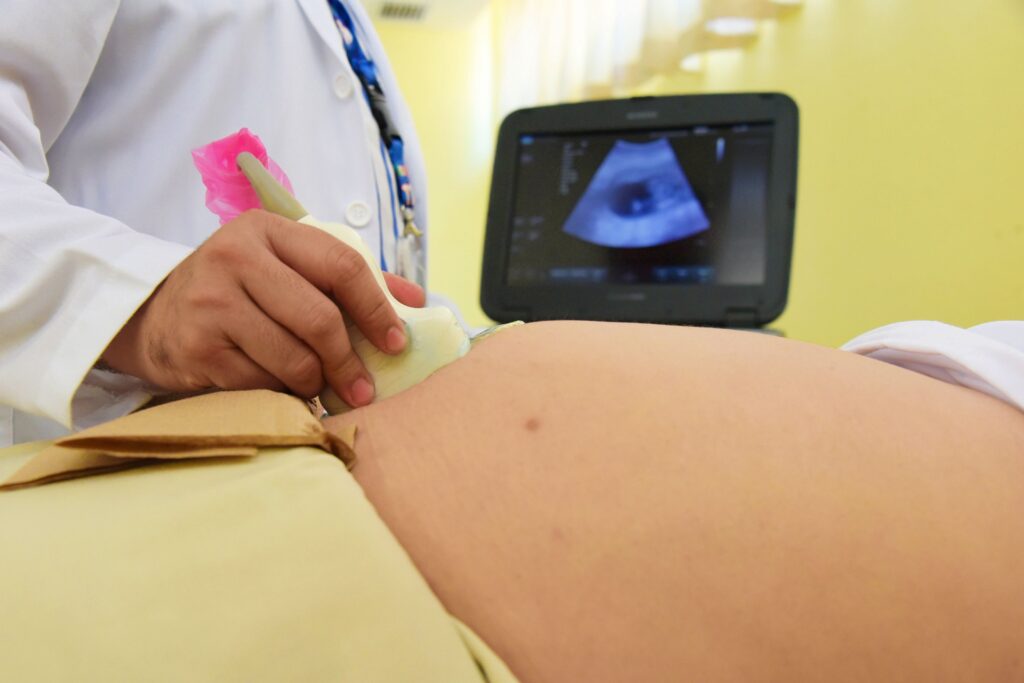

Knee pain can gradually turn everyday activities such as walking, climbing stairs, sitting, and standing into uncomfortable experiences. For people with advanced knee arthritis, replacement surgery may become an option when medication, physiotherapy, injections, and lifestyle changes no longer provide adequate relief.
However, not every patient requires a complete knee replacement. Depending on which parts of the joint are damaged, a surgeon may recommend either partial or total knee replacement.
If you are considering Total Knee Replacement Surgery in Wakad, understanding the differences between these procedures can help you prepare for a discussion with your orthopedic specialist.
Understanding the Difference Between Partial and Total Knee Replacement
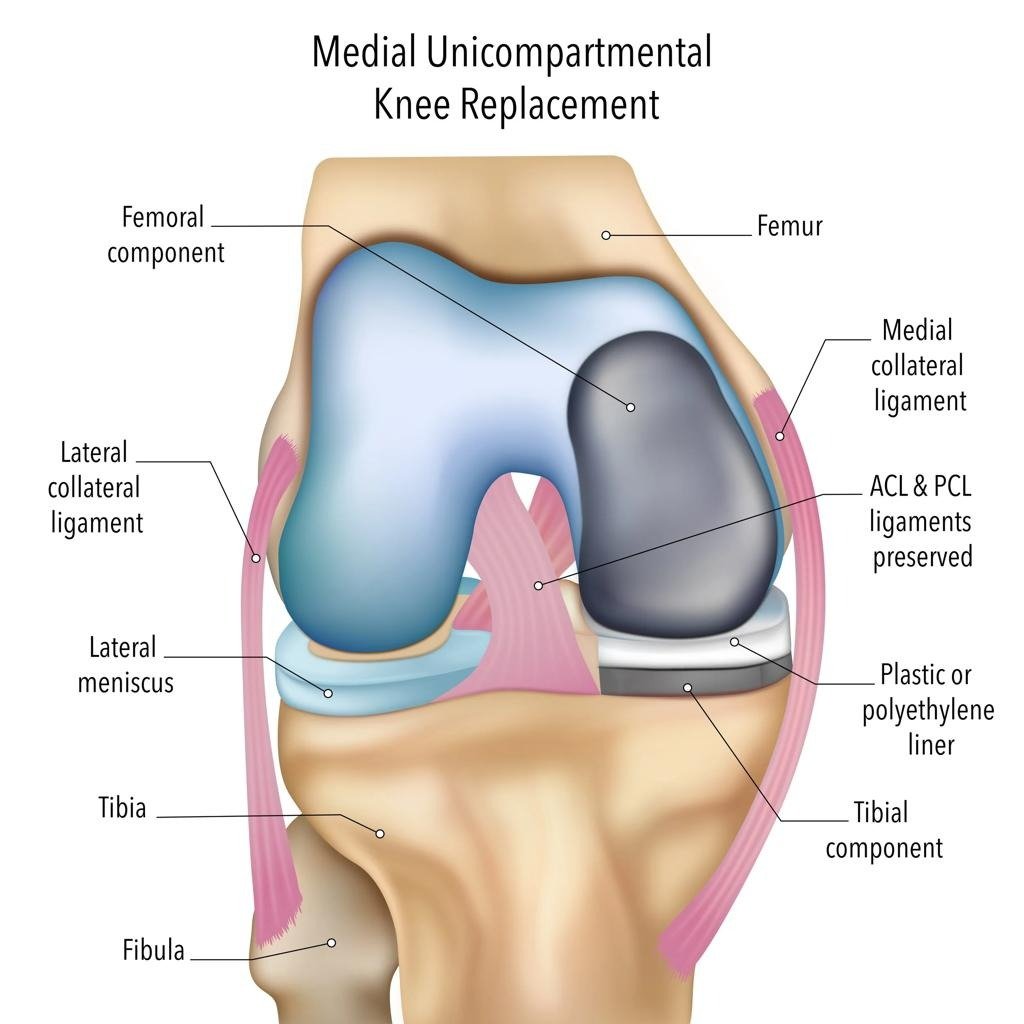
The knee has three main compartments: the inner (medial), outer (lateral), and front (patellofemoral) compartments. Arthritis may affect just one compartment or spread across several areas of the joint.
Partial Knee Replacement
Partial knee replacement, also called unicompartmental knee replacement, replaces only the damaged compartment while preserving the healthy portions of the joint.
It may be suitable when arthritis is limited to one compartment and the remaining joint structures meet the requirements for the procedure.
Total Knee Replacement
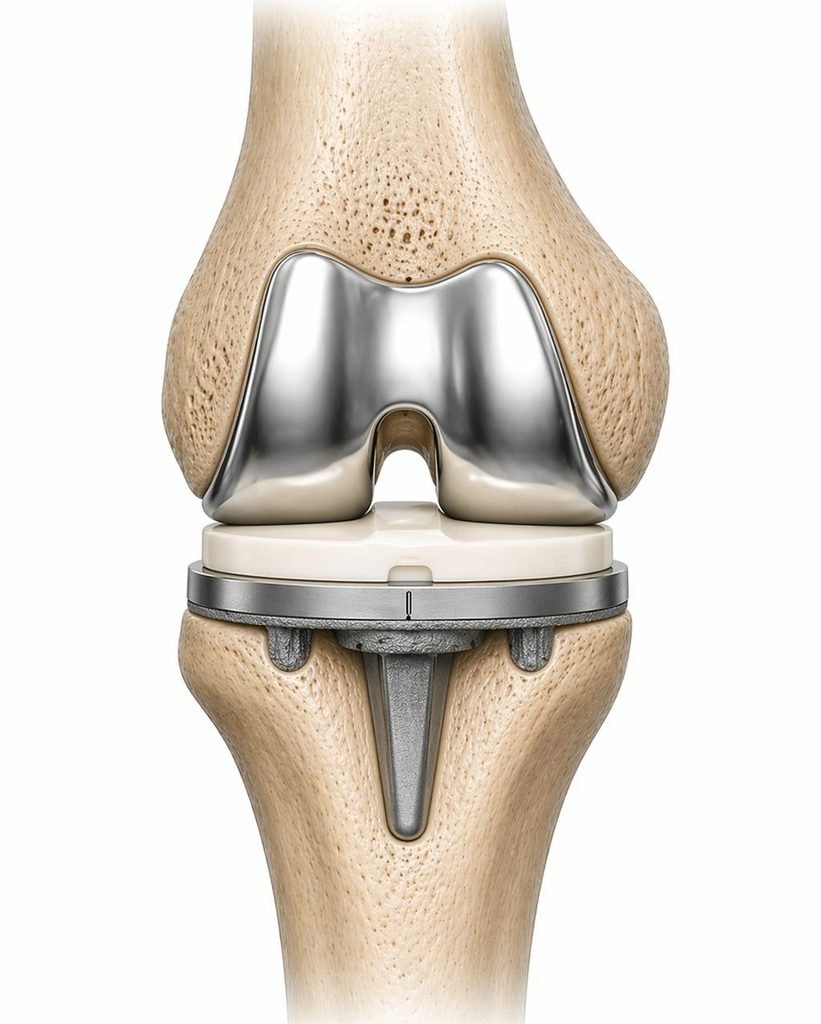
Total knee replacement replaces the damaged joint surfaces at the ends of the thighbone and shinbone with artificial components. The underside of the kneecap may also be resurfaced when appropriate.
It is commonly considered when arthritis affects multiple compartments or when joint damage makes partial replacement unsuitable.
The decision between these procedures depends on the extent of arthritis, ligament stability, knee alignment, range of motion, general health, and the patient’s functional goals.
Partial vs Total Knee Replacement: Key Differences
Both procedures aim to reduce pain and improve mobility, but they differ in the amount of joint tissue replaced, recovery expectations, and long-term considerations.
| Factor | Partial knee replacement | Total knee replacement |
| Area treated | One damaged compartment | Multiple damaged joint surfaces |
| Healthy tissue | More natural bone and ligaments preserved | More extensive resurfacing |
| Recovery | Often quicker | Usually takes longer |
| Suitable for | Selected patients with localized arthritis | Patients with more widespread joint damage |
| Future surgery | Arthritis may progress in untreated compartments | Revision may be needed if components wear or other problems develop |
| Rehabilitation | Physiotherapy is essential | Physiotherapy is essential |
These differences are described in the American Academy of Orthopaedic Surgeons’ guidance on partial and total knee replacement.
When Might Partial Knee Replacement Be Considered?
Partial replacement may be considered when arthritis is confined to one part of the knee and the remaining compartments are relatively healthy.
For example, someone experiencing pain predominantly along the inner side of the knee may have isolated medial compartment arthritis. If imaging confirms localized damage and the ligaments are functioning adequately, partial replacement may be an option.
However, inflammatory arthritis, substantial ligament damage, or significant stiffness may make this procedure unsuitable. An orthopedic examination and imaging are necessary before deciding.
When Is Total Knee Surgery Recommended?
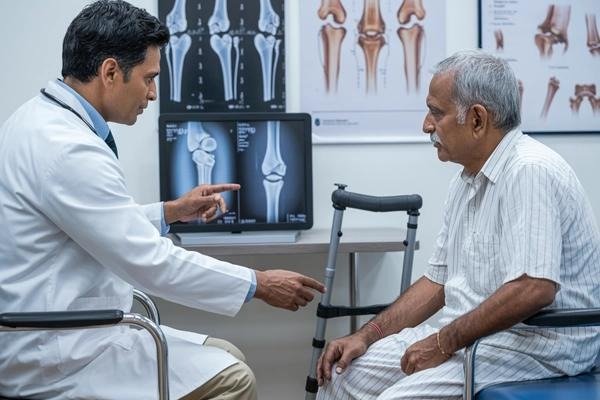
Total Knee Surgery in Wakad may be considered when arthritis affects several compartments of the knee and significantly interferes with everyday life.
A surgeon may discuss total knee replacement when patients experience persistent pain despite appropriate nonsurgical treatment, difficulty walking or climbing stairs, pain at rest, recurring swelling, or substantial knee deformity.
The decision is not based on age alone. Symptoms, X-ray findings, medical conditions, functional limitations, and personal goals all matter.
Does Severe Knee Pain Always Mean You Need Surgery?
Not necessarily. Knee pain can arise from several conditions, and even patients with arthritis may benefit from nonsurgical treatment.
Before recommending Total Knee Surgery in Wakad, an orthopedic specialist may consider physiotherapy, activity modification, suitable medication, walking aids, or injections where clinically appropriate.
Surgery is generally discussed when these approaches no longer provide adequate relief and joint damage substantially affects quality of life.
How Surgeons Decide Which Procedure Is Suitable
The choice between partial and total replacement involves more than identifying where the knee hurts.
An orthopedic specialist will review your medical history, examine the knee, assess ligament stability and alignment, and study weight-bearing X-rays. Additional imaging may be required in selected cases.
The examination helps establish whether the damage is isolated or affects several compartments. Your surgeon will also explain the expected benefits, limitations, risks, and rehabilitation requirements of each option.
For patients exploring Total Knee Replacement Surgery in Wakad, this assessment helps determine whether a partial replacement is possible or a more extensive procedure is appropriate.
Orthopedic Specialists in Wakad
Dr. Siddhesh Parab
Orthopedic and joint replacement care
Dr. Siddhesh Parab is associated with Pentagon Hospital in Wakad and provides orthopedic care involving trauma, knee and hip conditions, and joint replacement.
Patients looking for an Orthopedic Surgeon in Wakad or a Knee Replacement Surgeon in Wakad can discuss their symptoms, previous treatments, and possible surgical options during a consultation.
For patients considering Total Knee Surgery in Wakad, an individualized assessment is important to establish whether partial or total replacement may be appropriate.
Dr. Kapil Saoji
Foot, ankle and joint care
Dr. Kapil Saoji is associated with Pentagon Hospital and provides orthopedic care involving foot and ankle conditions and knee-related concerns.
Patients seeking a Foot & Ankle Specialist in Wakad for ankle injuries, sports-related foot problems, or lower-limb pain may consult him for evaluation.
For knee replacement surgery in Wakad, discussing the location of joint damage, functional limitations, and available treatment approaches can help patients understand their options.
Doctor specialties and associations above are based on the information supplied for this article; specific robotic procedures and current service availability should be confirmed with the hospital.
Can Robotic Technology Be Used for Knee Replacement?
Robotic-assisted surgery is another consideration for patients exploring Total Knee Surgery in Wakad.
Robotic systems can help surgeons plan procedures, assess joint alignment, and position implants. Depending on the system and the patient’s condition, robotic assistance may be used for partial or total knee replacement.
However, robotic assistance does not automatically make one procedure more suitable than another. The surgeon remains responsible for planning and performing the operation, and the available evidence does not establish that robotic replacement produces better long-term outcomes for every patient.
Patients searching for a robotic knee replacement surgeon in Wakad should discuss the technology available, the surgeon’s experience, and whether robotic assistance offers any meaningful advantage in their individual case.
Recovery After Partial and Total Knee Replacement
Recovery is an important factor when comparing the two procedures.
Partial knee replacement generally involves less extensive surgery and may allow patients to resume everyday activities sooner. Total knee replacement often requires a longer rehabilitation period because more joint surfaces have been treated.
Regardless of the procedure, physiotherapy helps restore knee movement, strengthen the surrounding muscles, and improve walking.
What to expect during recovery
- Early movement: Walking usually begins soon after surgery, with assistance when needed.
- Pain and swelling management: Medication, appropriate exercises, and elevation may be recommended.
- Physiotherapy: Gradual exercises help improve flexibility, strength, and mobility.
- Return to activities: The timeline depends on the procedure, general health, progress, and surgeon’s instructions.
Recovery may take several months or longer after knee replacement, although partial replacement generally has a shorter recovery period.
Are There Risks Associated With Knee Replacement?
Both partial and total knee replacement involve surgical risks, including infection, blood clots, stiffness, persistent pain, and potential complications involving the implant.
With partial replacement, arthritis can eventually develop in the untreated compartments, potentially requiring further surgery. Total replacement may also require revision if implants wear, loosen, or develop other complications.
Your orthopedic surgeon should explain the risks relevant to your medical history and the procedure being considered.
Frequently Asked Questions
1. Is partial knee replacement better than total knee replacement?
Neither procedure is suitable for everyone. Partial replacement may be appropriate for localized arthritis, while total replacement is often considered for more widespread joint damage.
2. How do I know if I need Total Knee Surgery in Wakad?
An orthopedic consultation, physical examination, and imaging can establish the extent of joint damage. Your surgeon will also consider how much pain affects your daily activities and whether nonsurgical treatments have helped.
3. Can partial knee replacement be converted into total knee replacement?
Yes. Some patients may eventually require total replacement if arthritis progresses in the remaining compartments or complications develop.
4. Is robotic knee replacement available for both procedures?
Robotic assistance can be used for certain partial and total knee replacement procedures. Availability depends on the hospital, surgical system, and individual case.
5. How long does recovery take after knee replacement?
Recovery varies. Partial knee replacement generally allows a quicker return to activities, while full recovery from total knee replacement may take several months or longer.
Conclusion: Making an Informed Decision About Knee Replacement
Partial and total knee replacement address different patterns of joint damage. The appropriate procedure depends on the condition of your knee, the severity of symptoms, and your individual treatment goals.
If persistent knee pain is affecting your mobility and you are considering Total Knee Surgery in Wakad, a detailed orthopedic evaluation can help you understand your options.
Book an Orthopedic Consultation at Pentagon Hospital, Wakad
Consult Dr. Siddhesh Parab or Dr. Kapil Saoji to discuss your knee concerns, understand available treatments, and determine whether knee replacement surgery may be appropriate.