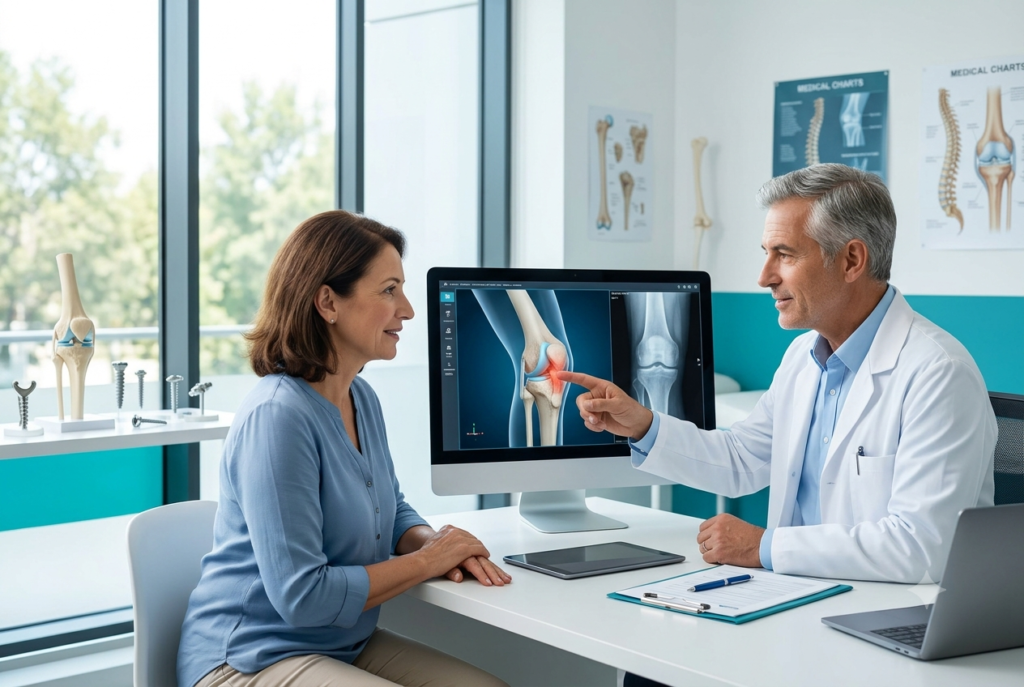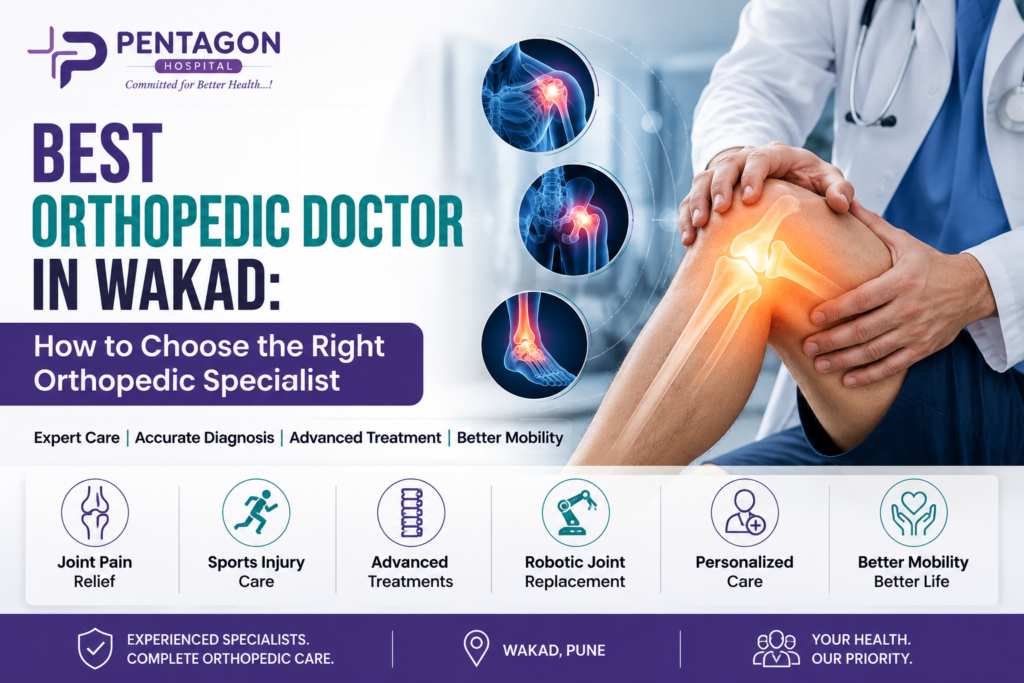

Bone and joint problems can affect almost every aspect of daily life, from walking and climbing stairs to working, exercising, and performing routine activities. Whether it is persistent knee pain, a sports injury, a fracture, or difficulty moving due to arthritis, getting the right orthopedic care is essential for long-term mobility and comfort.
Choosing the Best orthopedic hospital in Pune involves more than finding a nearby medical facility. Patients should consider the experience of orthopedic specialists, available treatment options, diagnostic support, surgical expertise, and rehabilitation facilities. The right medical guidance can help identify the underlying problem and determine an appropriate treatment approach.
For patients in Wakad and nearby areas, Pentagon Multispeciality Hospital provides orthopedic consultation and treatment for various bone, joint, and musculoskeletal conditions. With orthopedic specialists Dr. Siddhesh Parab and Dr. Kapil Saoji, patients can seek guidance for joint-related problems, fractures, knee and hip conditions, and foot and ankle disorders.
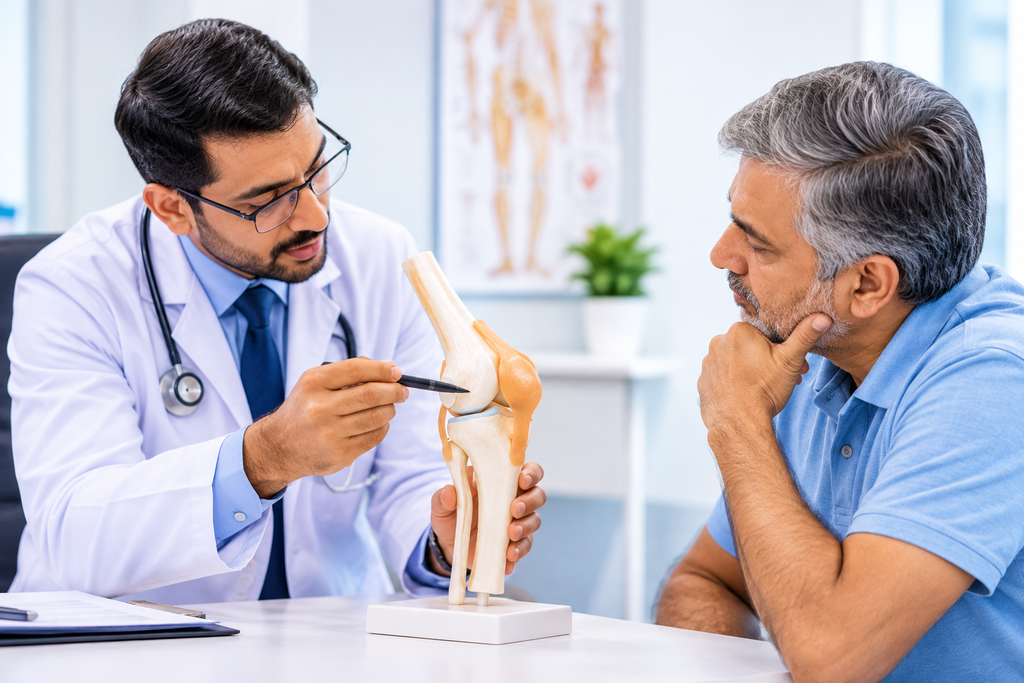
Why Choosing the Right Orthopedic Hospital Matters
Orthopedic conditions can vary significantly in their causes, severity, and treatment requirements. While some problems can be managed with medication and physiotherapy, others may require specialised surgical care or long-term rehabilitation. Choosing the right orthopedic hospital helps patients access appropriate medical evaluation and understand the treatment options available for their condition.
A hospital’s orthopedic expertise, specialist availability, diagnostic support, surgical facilities, and rehabilitation guidance are important factors to consider. The right approach is not simply about treating pain but also about addressing its underlying cause and supporting long-term mobility.
What Should You Look for in an Orthopedic Hospital?
Before selecting an orthopedic hospital, patients should consider a few important factors:
- Experienced Orthopedic Specialists: Doctors with relevant expertise in treating different bone, joint, and musculoskeletal conditions.
- Range of Treatment Options: Access to both non-surgical and surgical approaches, depending on the patient’s needs.
- Advanced Surgical Techniques: Availability of appropriate surgical technologies, including robotic-assisted procedures where indicated.
- Diagnostic Support: Access to investigations that help identify the cause and severity of orthopedic problems.
- Rehabilitation and Follow-Up: Proper guidance to support recovery, movement, and a gradual return to daily activities.
Pentagon Multispeciality Hospital – Orthopedic Care in Wakad
Pentagon Multispeciality Hospital is an option for patients looking for orthopedic consultation and treatment in Wakad, Pune. The hospital offers care for conditions affecting the bones, joints, muscles, and ligaments, including knee pain, hip problems, fractures, sports injuries, arthritis, and other musculoskeletal concerns.
Orthopedic conditions can gradually affect everyday activities. For example, knee pain may make it difficult to climb stairs, while hip problems can interfere with walking and sitting comfortably. Similarly, foot and ankle injuries can affect balance, movement, and the ability to participate in sports.
At Pentagon Multispeciality Hospital, patients can consult orthopedic specialists to understand their symptoms, receive an appropriate evaluation, and explore suitable treatment options. Depending on the diagnosis and severity of the condition, treatment may involve medication, physiotherapy, rehabilitation, or surgical intervention.
Patients considering orthopedic treatment in Wakad can also explore the dedicated listing of Pentagon Orthopedic Hospital – Wakad for hospital-related information and location details.
Meet the Orthopedic Specialists at Pentagon Multispeciality Hospital
Selecting an orthopedic specialist with relevant experience is an important part of managing bone and joint conditions. Different orthopedic problems may require different areas of expertise, particularly when dealing with joint replacement, sports injuries, or complex foot and ankle conditions.
Pentagon Multispeciality Hospital has two orthopedic specialists, Dr. Siddhesh Parab and Dr. Kapil Saoji, whose areas of practice cover several orthopedic concerns.
Dr. Siddhesh Parab – Orthopedic Surgeon
Dr. Siddhesh Parab provides orthopedic care for patients experiencing bone, joint, and musculoskeletal problems. His areas of practice include hip and knee conditions, joint replacement procedures, and orthopedic surgical care.
Patients searching for an Orthopedic Surgeon Wakad can consider an orthopedic consultation to understand the cause of persistent pain, stiffness, restricted movement, or joint damage. An evaluation helps determine whether non-surgical treatment or a surgical procedure may be appropriate.
For patients experiencing advanced knee arthritis or significant joint damage, consultation with a Knee Replacement Surgeon in Wakad can help them understand available treatment options. Similarly, individuals experiencing severe hip pain or reduced hip mobility may seek guidance from a Hip Replacement Surgeon in Wakad.
Dr. Siddhesh Parab’s orthopedic practice also includes joint replacement-related care. Patients looking for a Joint Replacement Surgeon in Wakad can discuss their symptoms, imaging findings, treatment goals, and suitability for surgery.
Depending on the patient’s condition and clinical requirements, discussions may also include robotic-assisted procedures. Patients exploring options with a Robotic Hip Replacement Doctor in Wakad or the Best Robotic Knee Replacement Surgeon in Wakad should understand the procedure, expected benefits, limitations, and recovery requirements before making a decision.
Dr. Kapil Saoji – Orthopedic Surgeon and Foot & Ankle Specialist
Dr. Kapil Saoji provides orthopedic care with a focus on foot and ankle conditions, along with knee and joint-related concerns.
Foot and ankle problems can develop due to sports injuries, accidental falls, ligament damage, fractures, arthritis, or repetitive strain. Even a seemingly minor injury can affect walking and balance if it is not evaluated appropriately.
Patients looking for a Foot & Ankle Specialist in Wakad can seek an assessment for persistent ankle pain, swelling, instability, restricted movement, and other foot-related concerns. An Ankle Injury Specialist near Wakad can help evaluate the extent of an injury and guide patients towards suitable treatment and rehabilitation.
Sports-related foot injuries also require attention because returning to physical activity too early can sometimes worsen the problem. Patients seeking Sports Foot Injury Treatment Wakad can discuss their symptoms, injury history, and recovery goals during an orthopedic consultation.
Dr. Kapil Saoji’s orthopedic practice also includes joint replacement care. Patients exploring Knee Replacement Surgery in Wakad or looking for a Robotic Knee Replacement Surgeon in Wakad can discuss the available treatment approaches based on their knee condition.
For individuals experiencing advanced ankle joint damage, consultation with an Ankle Replacement Surgeon in Wakad can help determine whether ankle replacement or another treatment approach may be suitable.
Understanding the Specialists and Their Areas of Practice
| Orthopedic Specialist | Key Areas of Focus | Conditions Patients Can Discuss |
| Dr. Siddhesh Parab | Hip and knee conditions, joint replacement, orthopedic surgery | Knee arthritis, hip joint problems, restricted mobility, advanced joint damage |
| Dr. Kapil Saoji | Foot and ankle care, orthopedic conditions, joint replacement | Ankle injuries, foot pain, sports-related injuries, knee problems, ankle arthritis |
The appropriate specialist and treatment depend on the patient’s diagnosis and individual medical requirements.
Why Choose Pentagon for Orthopedic Treatment in Wakad?
When selecting an orthopedic hospital, patients should consider the overall quality of care rather than focusing only on a particular procedure. A suitable treatment plan begins with understanding the patient’s symptoms and identifying the underlying condition.
Some important factors to consider include:
1. Access to Orthopedic Specialists
Consulting an orthopedic specialist helps patients understand whether their symptoms are related to joint degeneration, injury, inflammation, or another musculoskeletal condition.
2. Treatment Options for Different Conditions
Orthopedic care may involve conservative management, medication, physiotherapy, rehabilitation, or surgery. The treatment approach should be based on the diagnosis and severity of the problem.
3. Joint Replacement Consultation
Patients experiencing advanced knee or hip joint damage may require an assessment for joint replacement. Understanding the available procedures and expected recovery can help them make informed decisions.
4. Foot and Ankle Care
Foot and ankle problems can affect mobility and balance. Access to relevant orthopedic expertise is important for evaluating injuries, joint conditions, and persistent discomfort.
5. Recovery and Rehabilitation Guidance
Orthopedic treatment does not end with the initial consultation or surgery. Rehabilitation, follow-up appointments, and appropriate activity modification are important parts of recovery.
Common Orthopedic Conditions That Require Medical Attention
Orthopedic conditions can affect people of different age groups and activity levels. Some problems develop gradually due to ageing and joint degeneration, while others occur suddenly following an injury or accident.
Understanding common symptoms can help patients recognise when they should seek medical advice.
1. Knee Pain and Osteoarthritis
Knee pain is one of the common reasons people consult orthopedic specialists. It may result from osteoarthritis, ligament injuries, cartilage damage, overuse, or previous trauma.
Common symptoms include:
- Pain while walking or climbing stairs
- Stiffness after sitting for long periods
- Swelling around the knee
- Difficulty bending or straightening the joint
- Reduced ability to perform daily activities
Treatment depends on the underlying cause. Early-stage problems may be managed through medication, physiotherapy, and activity modification. Advanced arthritis may require an assessment for knee replacement surgery.
2. Hip Pain and Joint Disorders
The hip joint supports body weight and allows movement during walking, sitting, and standing. Conditions such as osteoarthritis, fractures, and joint damage can cause persistent discomfort and reduced mobility.
Symptoms may include groin pain, stiffness, difficulty walking, and discomfort while getting up from a chair.
Patients with advanced hip joint damage may be evaluated for hip replacement surgery. The decision depends on the extent of joint damage, symptoms, overall health, and response to other treatments.
3. Fractures and Bone Injuries
Fractures can occur due to road accidents, falls, sports injuries, or weakened bones. Some fractures are straightforward, while others may involve multiple bone fragments or damage to surrounding tissues.
Common signs include severe pain, swelling, bruising, deformity, and difficulty moving the affected area.
A suspected fracture should receive timely medical evaluation. Depending on its type and location, treatment may involve immobilisation, casting, or surgical fixation.
4. Foot and Ankle Conditions
Foot and ankle conditions can affect walking, standing, and balance. Common problems include ankle sprains, ligament injuries, fractures, tendon disorders, and ankle arthritis.
Symptoms may include:
- Pain during walking or running
- Swelling around the ankle
- Repeated ankle instability
- Difficulty bearing weight
- Reduced joint movement
Persistent symptoms should be evaluated by an orthopedic specialist to determine whether conservative treatment or surgical management is required.
5. Sports-Related Injuries
Sports injuries can affect muscles, tendons, ligaments, cartilage, and joints. They may occur during running, jumping, sudden direction changes, or direct impact.
Common sports-related orthopedic problems include ligament tears, muscle strains, ankle sprains, and knee injuries.
Treatment depends on the affected structure and injury severity. Rest, rehabilitation, physiotherapy, and surgical treatment may be considered in selected cases.
6. Spine and Back Problems
Back pain may result from muscle strain, disc-related problems, posture-related issues, or age-related changes in the spine.
Symptoms such as persistent back pain, stiffness, or pain radiating into the legs should be evaluated, particularly when they interfere with daily activities.
Sudden weakness, loss of bladder or bowel control, or numbness around the groin requires urgent medical attention.
Common Orthopedic Conditions and Their Treatment Approaches
The following table provides a quick overview of common orthopedic concerns and the treatment approaches that may be considered.
| Condition | Common Symptoms | Possible Treatment Approaches |
| Knee osteoarthritis | Knee pain, stiffness, swelling | Medication, physiotherapy, injections where appropriate, knee replacement in advanced cases |
| Hip joint damage | Hip pain, restricted movement | Conservative management, rehabilitation, hip replacement in selected cases |
| Fractures | Pain, swelling, bruising, deformity | Casting, immobilisation, surgical fixation |
| Ankle injuries | Pain, swelling, instability | Support, rehabilitation, physiotherapy, surgery in selected cases |
| Sports injuries | Joint pain, ligament or muscle damage | Rest, rehabilitation, physiotherapy, surgical intervention when required |
| Spine-related conditions | Back pain, stiffness, radiating pain | Medication, physiotherapy, lifestyle changes, specialist-led treatment |
Treatment options vary according to the diagnosis, injury severity, and the patient’s overall health.
Advanced Orthopedic Treatments Available
Orthopedic treatment has evolved significantly, offering different approaches to managing joint damage, fractures, and sports-related injuries. The appropriate treatment depends on the condition, the patient’s age, activity level, medical history, and response to previous treatment.
1. Knee Replacement Surgery
Knee replacement surgery may be recommended for patients with advanced knee arthritis or significant joint damage when non-surgical treatments no longer provide adequate relief.
During the procedure, damaged joint surfaces are replaced with artificial components designed to restore joint function.
Patients considering Knee Replacement Surgery in Wakad should discuss the severity of their arthritis, implant options, surgical approach, rehabilitation requirements, and expected outcomes with an orthopedic specialist.
2. Hip Replacement Surgery
Hip replacement surgery is considered for selected patients experiencing severe hip joint damage, commonly due to advanced osteoarthritis or certain fractures.
The procedure involves replacing damaged parts of the hip joint with artificial components. It aims to reduce pain and improve movement when other treatment options are no longer sufficient.
A consultation with a Hip Replacement Surgeon in Wakad can help patients understand whether they are suitable candidates for the procedure.
3. Robotic-Assisted Knee Replacement
Robotic-assisted knee replacement uses technology to support surgical planning and help surgeons execute the procedure with greater precision in selected cases.
The technology can assist with preoperative planning, assessment of joint alignment, and surgical execution. However, the suitability of robotic-assisted surgery depends on the patient’s anatomy, joint condition, and the surgeon’s clinical assessment.
Patients researching the Best Robotic Knee Replacement Surgeon in Wakad should consider the surgeon’s experience, the technology used, individual suitability, and the rehabilitation plan.
4. Robotic-Assisted Hip Replacement
Robotic-assisted hip replacement may be considered for selected patients requiring hip joint replacement. Depending on the system used, technology can assist with surgical planning and component positioning.
Patients searching for a Robotic Hip Replacement Doctor in Wakad should discuss the potential advantages, limitations, procedure details, and recovery expectations with their orthopedic specialist.
5. Ankle Replacement Surgery
Ankle replacement surgery may be recommended for selected patients with advanced ankle arthritis or severe joint damage.
The procedure involves replacing damaged joint surfaces with artificial components to help reduce pain and maintain movement. Patient selection is important because not every individual with ankle arthritis is suitable for ankle replacement.
A consultation with an Ankle Replacement Surgeon in Wakad can help determine whether ankle replacement or another treatment option is appropriate.
6. Foot and Ankle Injury Management
Foot and ankle injuries may involve bones, ligaments, tendons, and other supporting structures. Treatment depends on the type and extent of injury.
Mild injuries may respond to rest, support, and physiotherapy, while severe fractures or ligament damage may require surgical intervention.
Patients seeking Sports Foot Injury Treatment Wakad should receive an appropriate assessment before returning to running, sports, or strenuous physical activity.
Understanding Robotic-Assisted Joint Replacement Surgery
Robotic-assisted joint replacement is an evolving approach in orthopedic surgery. It uses computer-assisted technology to support surgical planning and guide specific steps of joint replacement procedures.
It is important to understand that robotic systems do not independently perform surgery. The orthopedic surgeon remains responsible for evaluating the patient, planning the procedure, making surgical decisions, and performing the operation.
How Does Robotic-Assisted Joint Replacement Work?
The process generally involves the following stages:
1. Preoperative Assessment
The surgeon evaluates the patient’s joint condition, medical history, mobility, and imaging reports to determine whether joint replacement is appropriate.
2. Surgical Planning
Depending on the technology used, imaging and planning tools help the surgeon assess joint anatomy and plan component positioning.
3. Surgical Procedure
During surgery, the robotic-assisted system may provide guidance or feedback to support the surgeon’s planned approach.
4. Postoperative Rehabilitation
Following surgery, patients begin a recovery programme based on their condition and the surgeon’s instructions. Physiotherapy and gradual movement are important parts of rehabilitation.
Potential Advantages of Robotic-Assisted Procedures
For appropriately selected patients, robotic-assisted technology may support:
- Detailed preoperative planning
- Assessment of joint alignment
- More controlled surgical execution
- Individualised surgical planning
- Consistent assessment of component positioning
The actual benefits depend on the procedure, technology, surgeon’s expertise, and individual patient factors. Robotic surgery is not automatically the best option for every patient.
How to Choose the Best Orthopedic Hospital in Pune
Choosing an orthopedic hospital is an important decision, especially when treatment involves surgery or long-term rehabilitation. Patients should evaluate several factors before selecting a hospital.
1. Check the Experience of Orthopedic Specialists
Look for specialists with relevant experience in treating the condition you are experiencing. For example, patients with advanced knee arthritis may require a joint replacement consultation, while individuals with ankle injuries may benefit from a foot and ankle specialist.
2. Understand the Available Treatment Options
A good treatment plan should consider both surgical and non-surgical approaches wherever appropriate. Patients should understand why a particular treatment is recommended and whether alternatives are available.
3. Consider Surgical Expertise
If surgery is required, discuss the surgeon’s experience with the specific procedure, possible complications, expected recovery, and postoperative care.
4. Ask About Diagnostic Support
Accurate diagnosis is essential for effective orthopedic treatment. Ask about the diagnostic evaluations and imaging required to understand your condition.
5. Evaluate Rehabilitation and Follow-Up Care
Recovery after orthopedic treatment may require physiotherapy, movement exercises, and regular follow-up. A clear rehabilitation plan can help patients return to their routine activities safely.
6. Discuss Robotic Surgery Carefully
If robotic-assisted surgery is being considered, ask about the technology, its role in the procedure, the surgeon’s experience, and whether it is appropriate for your specific condition.
7. Consider Location and Accessibility
For patients living in Wakad, Hinjawadi, Baner, Pimple Saudagar, and nearby areas, accessibility can be an important consideration, particularly when multiple consultations or rehabilitation visits are required.
When Should You Consult an Orthopedic Doctor?
Not every episode of muscle or joint discomfort requires specialist intervention. However, persistent or worsening symptoms should not be ignored.
Consider consulting an orthopedic doctor if you experience:
- Joint pain that continues despite rest and basic care
- Repeated swelling or stiffness
- Difficulty walking, standing, or climbing stairs
- Reduced movement in the knee, hip, shoulder, or ankle
- Repeated ankle sprains or instability
- Pain following a sports injury
- Suspected fractures or bone injuries
- Back pain that interferes with daily activities
Severe injuries, visible deformities, inability to bear weight after an injury, or symptoms suggesting nerve involvement require prompt medical evaluation.
What to Expect During an Orthopedic Consultation
An orthopedic consultation helps the specialist understand the patient’s symptoms and identify the possible cause of the problem.
The appointment may include:
Medical History: The doctor may ask about the duration of symptoms, previous injuries, existing medical conditions, and earlier treatments.
Physical Examination: The affected joint or body part may be examined for swelling, tenderness, stability, movement, and strength.
Diagnostic Evaluation: Depending on the condition, X-rays, MRI scans, or other investigations may be recommended.
Treatment Discussion: The specialist explains the diagnosis and discusses suitable treatment options, including conservative care, rehabilitation, or surgery where required.
Patients should share previous reports, medication details, and relevant medical history to help the doctor understand their condition.
Frequently Asked Questions
1. Which is the Best Orthopedic Hospital in Pune?
The right orthopedic hospital depends on the patient’s condition, specialist expertise, available treatment options, and rehabilitation support. Pentagon Multispeciality Hospital in Wakad is an option for patients seeking orthopedic consultation for bone, joint, knee, hip, and foot and ankle conditions.
2. Who is an Orthopedic Surgeon in Wakad?
An orthopedic surgeon diagnoses and treats conditions affecting bones, joints, muscles, ligaments, and tendons. Dr. Siddhesh Parab and Dr. Kapil Saoji at Pentagon Multispeciality Hospital provide orthopedic consultation in Wakad.
3. When Should I Consult a Knee Replacement Surgeon in Wakad?
You may consider a knee replacement consultation if you have advanced knee arthritis, persistent pain, stiffness, and difficulty performing daily activities despite non-surgical treatment.
4. Is Robotic Knee Replacement Better Than Traditional Knee Replacement?
Robotic-assisted surgery can support surgical planning and execution in selected cases. However, the most appropriate procedure depends on the patient’s condition, the surgeon’s assessment, and the available technology.
5. When Should I Visit a Foot and Ankle Specialist in Wakad?
Consult a foot and ankle specialist if you experience persistent ankle pain, swelling, instability, repeated sprains, difficulty walking, or discomfort following a sports injury.
6. Can Ankle Arthritis Be Treated Without Surgery?
Some patients with ankle arthritis can manage symptoms through medication, activity modification, supportive footwear, and physiotherapy. Advanced cases may require surgical evaluation, including consideration of ankle replacement in selected patients.
7. How Long Does Recovery Take After Joint Replacement Surgery?
Recovery varies depending on the type of joint replacement, the patient’s health, and rehabilitation progress. The surgeon and physiotherapy team provide an individual recovery plan.
Conclusion: Finding the Right Orthopedic Care in Pune
Bone and joint conditions can affect mobility, independence, and everyday comfort. Getting an accurate diagnosis and choosing an appropriate treatment approach are important steps towards managing these problems effectively.
When searching for the Best orthopedic hospital in Pune, patients should consider specialist expertise, treatment options, surgical experience, diagnostic support, and rehabilitation guidance.
Pentagon Multispeciality Hospital in Wakad provides orthopedic consultation through Dr. Siddhesh Parab and Dr. Kapil Saoji. Whether you are experiencing knee pain, hip problems, sports injuries, fractures, or foot and ankle conditions, consulting the appropriate orthopedic specialist can help you understand your treatment options.
If you are experiencing persistent bone or joint discomfort, consider seeking an orthopedic evaluation to understand the cause and discuss the next steps for your care.