

Early Signs of Pregnancy: When to Take a Test and What to Do Next
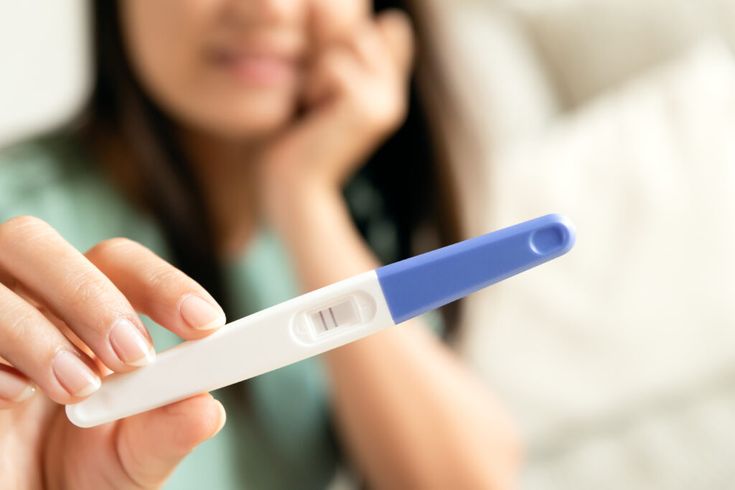
Pregnancy is a life-changing journey, and for many women, it begins with subtle physical and emotional changes. Recognizing the early signs of pregnancy can help you take timely action, confirm pregnancy accurately, and seek the right medical care at the earliest stage.
While every woman’s body responds differently, there are several common early pregnancy symptoms that appear even before a missed period. Understanding these signs not only reduces anxiety but also helps ensure a healthier start for both mother and baby.
This guide explains the first signs of pregnancy, how early they appear, when to take a pregnancy test, and what steps to follow next for safe and informed care.
Key Takeaways
- Early signs of pregnancy can appear even before a missed period due to hormonal changes in the body.
- Common early pregnancy symptoms include fatigue, nausea, breast tenderness, frequent urination, mood swings, and bloating.
- Some women experience signs of pregnancy before missed period, such as implantation bleeding, mild cramps, or food aversions.
- A missed period is the most reliable indicator, but pregnancy tests are most accurate when taken after the missed cycle.
- Home pregnancy tests are convenient, while blood tests offer early and more precise confirmation.
- Once pregnancy is confirmed, early medical consultation and antenatal care are essential for maternal and fatal health.
- Starting prenatal supplements, especially folic acid, supports healthy fatal development in early pregnancy.
- Every woman experience pregnancy differently; the absence or presence of symptoms does not reflect pregnancy health.
- Seeking care at a trusted pregnancy care hospital ensures proper monitoring, guidance, and emotional support from the beginning.
Table of Contents
1. What Are the Early Signs of Pregnancy?
The early signs of pregnancy are physical and hormonal changes that occur soon after conception. These changes happen because the body starts producing pregnancy hormones such as human chorionic gonadotropin (hCG), progesterone, and oestrogen.
Some women notice signs within a week or two of conception, while others may not experience noticeable symptoms until after a missed period. Both situations are completely normal.
2. Early Pregnancy Symptoms You Should Know
1. Missed Period - The Most Common Sign
A missed menstrual cycle is often the first noticeable sign that prompts women to suspect pregnancy. If your periods are regular and you miss one, pregnancy is a strong possibility.
However, stress, hormonal imbalance, thyroid issues, or lifestyle changes can also delay periods. That’s why a missed period should always be confirmed with a pregnancy test.
2. Signs of Pregnancy Before Missed Period
Many women experience signs of pregnancy before missed period, which are often mistaken for premenstrual symptoms.
- Implantation Bleeding
Light spotting or pinkish-brown discharge may occur when the fertilized egg implants in the uterine lining. This usually happens 6–12 days after ovulation and is lighter than a normal period.
- Mild Cramping
Implantation can cause mild abdominal cramps, which are usually less intense than menstrual cramps.
- Breast Tenderness
Hormonal changes can make breasts feel sore, heavy, or swollen early in pregnancy.
3. Fatigue and Extreme Tiredness
Sudden and unexplained tiredness is one of the most common early pregnancy symptoms. Rising progesterone levels can make you feel sleepy even after adequate rest.
This fatigue often appears within the first few weeks of pregnancy and may continue throughout the first trimester.
4. Nausea or Morning Sickness
Nausea, with or without vomiting, is a well-known first sign of pregnancy. Despite the name, morning sickness can occur at any time of the day.
Some women experience nausea as early as two weeks after conception, while others may never experience it at all
5. Frequent Urination
Increased blood flow to the kidneys and hormonal changes cause frequent urination early in pregnancy. This symptom may begin even before a missed period and continues throughout pregnancy.
6. Changes in Appetite and Food Cravings
Sudden cravings for certain foods or aversion to smells and tastes you once enjoyed can signal early pregnancy. These changes are driven by hormonal fluctuations.
Some women also experience a metallic taste in the mouth during early pregnancy.
7. Mood Swings and Emotional Changes
Hormonal shifts can lead to mood swings, irritability, anxiety, or emotional sensitivity. If you feel unusually emotional without a clear reason, it could be one of the early signs of pregnancy.
8. Bloating and Constipation
Progesterone relaxes the digestive system, which can cause bloating, gas, or constipation. Many women mistake this for PMS, but persistent bloating may indicate early pregnancy
9. Dizziness and Light-headedness
Lower blood pressure and increased blood circulation may cause dizziness or faintness in early pregnancy. Staying hydrated and eating regularly can help manage this symptom.
10. Heightened Sense of Smell
A strong reaction to smells, even mild ones, is a common early pregnancy sign. Certain odors may suddenly feel unbearable.
3. When Should You Take a Pregnancy Test?
Best Time to Take a Test
The most accurate time to take a pregnancy test is after a missed period, when hCG hormone levels are high enough to be detected.
Testing too early may result in a false negative, even if you are pregnant
Early Testing
Some sensitive tests can detect pregnancy 5-6 days before a missed period, but results may not always be reliable. If the test is negative but the symptoms don’t go away, do the test again in a few days.
4. Types of Pregnancy Tests
1. Home Pregnancy Test
Home urine tests are convenient, affordable, and reliable when used correctly. The first urine of the morning is the most accurate.
2. Blood Test
A blood test done at a hospital can detect pregnancy earlier and measure hCG levels precisely. It is often recommended when early confirmation is required.
5. What to Do After a Positive Pregnancy Test?
1. Confirm with a Doctor
Once you get a positive result, consult a qualified gynaecologist for confirmation through blood tests or an ultrasound.
Early confirmation ensures proper medical guidance from the beginning.
2. Start Antenatal Care Early
Early antenatal care plays a vital role in ensuring a healthy pregnancy. Regular checkups help monitor fetal development and identify potential risks early.
3. Review Medications and Lifestyle
Some medications, smoking, alcohol, or certain supplements may not be safe during pregnancy. Your doctor will guide you on what to avoid.
4. Begin Prenatal Supplements
Folic acid is essential in early pregnancy to prevent neural tube defects. Your doctor may also recommend iron, calcium, and other supplements based on your needs.
5. Adopt Healthy Habits
A balanced diet, adequate hydration, moderate exercise, and proper rest support a healthy pregnancy from the start.
6. When to See a Doctor Immediately
Seek medical attention if you experience:
- Severe abdominal pain
- Heavy bleeding
- Dizziness or fainting
- High fever
- Persistent vomiting
These symptoms require immediate medical evaluation.
7. Importance of Early Pregnancy Care at a Hospital
Choosing a trusted pregnancy care hospital ensures:
- Accurate diagnosis
- Expert gynecological care
- Safe antenatal monitoring
- Emotional and medical support
Early medical supervision reduces complications and promotes maternal and fetal health.
8. Emotional Well-being During Early Pregnancy
Early pregnancy can bring excitement, anxiety, or mixed emotions. Emotional well-being is as vital as physical health.
Talking openly with your doctor, partner, or a counselor can help manage stress and build confidence during this phase.
9. Common Myths About Early Pregnancy Symptoms
- No symptoms means no pregnancy – False. Some women have minimal symptoms.
- Severe symptoms mean a healthier pregnancy – Not true. Symptoms vary widely.
- Morning sickness happens only in the morning – It can occur anytime.
Understanding facts helps reduce unnecessary worry
10. Why Choose Pentagon Hospital for Pregnancy Care?
Pentagon Hospital provides comprehensive and compassionate pregnancy care with:
- Experienced gynaecologists and obstetricians
- Advanced diagnostic facilities
- Personalized antenatal care plans
- Supportive environment for expectant mothers
From early pregnancy confirmation to delivery and postnatal care, the hospital ensures safety, comfort, and expert medical guidance at every stage.
11. Final Thought
Recognizing the early signs of pregnancy helps women take timely and informed steps toward a healthy journey ahead. Symptoms such as early pregnancy symptoms, signs of pregnancy before missed period, and other physical changes are the body’s natural response to conception.
Early testing, prompt medical consultation, and starting antenatal care make a significant difference in pregnancy outcomes. Every pregnancy is unique, and professional guidance ensures the right care from the very beginning.
If you suspect pregnancy or notice early symptoms, consulting experienced doctors at a trusted pregnancy care hospital like Pentagon Hospital can provide reassurance, clarity, and comprehensive support for a healthy and confident start to motherhood.
FAQs
(Frequently Asked Questions)
What are the earliest signs of pregnancy?
The earliest signs of pregnancy may include fatigue, breast tenderness, mild cramping, nausea, frequent urination, and mood changes. Some women also notice signs of pregnancy before a missed period, such as light spotting or bloating.
Can early pregnancy symptoms appear before a missed period?
Yes. Many women experience early pregnancy symptoms like implantation bleeding, nausea, breast sensitivity, and tiredness even before their missed period.
Are the early signs of pregnancy the same for all women?
No. Early signs of pregnancy vary from woman to woman. Some experience multiple symptoms, while others may have very mild or no noticeable symptoms initially.
What are the common signs of pregnancy before a missed period?
Signs of pregnancy before missed period may include implantation bleeding, mild abdominal cramps, fatigue, food aversions, mood swings, and increased urination.
Is nausea always one of the first signs of pregnancy?
Not always. While nausea is a common early pregnancy symptom, some women may never experience morning sickness and still have a healthy pregnancy.
When should I consult a doctor after a positive pregnancy test?
You should consult a doctor as soon as pregnancy is confirmed to begin antenatal care, assess overall health, and receive guidance on nutrition, supplements, and lifestyle.
Can early pregnancy symptoms be confused with PMS?
Yes. Many early pregnancy symptoms, such as bloating, mood swings, and cramps are similar to PMS, which is why pregnancy testing and medical confirmation are important.
Why is early antenatal care important?
Early antenatal care helps monitor pregnancy development, detect potential risks early, and ensure the health and safety of both mother and baby.
Where should I seek care after confirming pregnancy?
It is best to consult a trusted pregnancy care hospital like Pentagon Hospital, where experienced gynecologists provide comprehensive care from early pregnancy through delivery