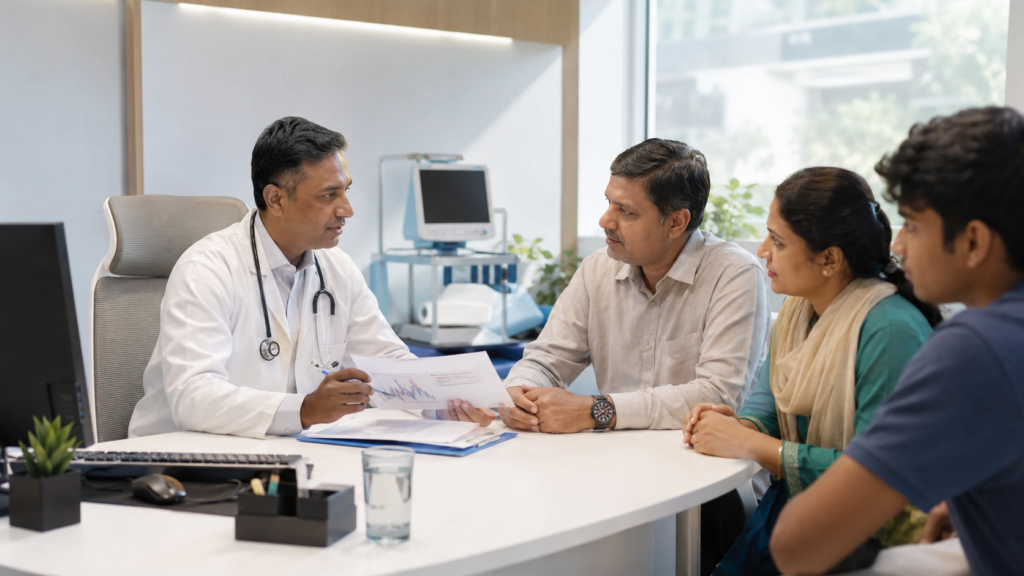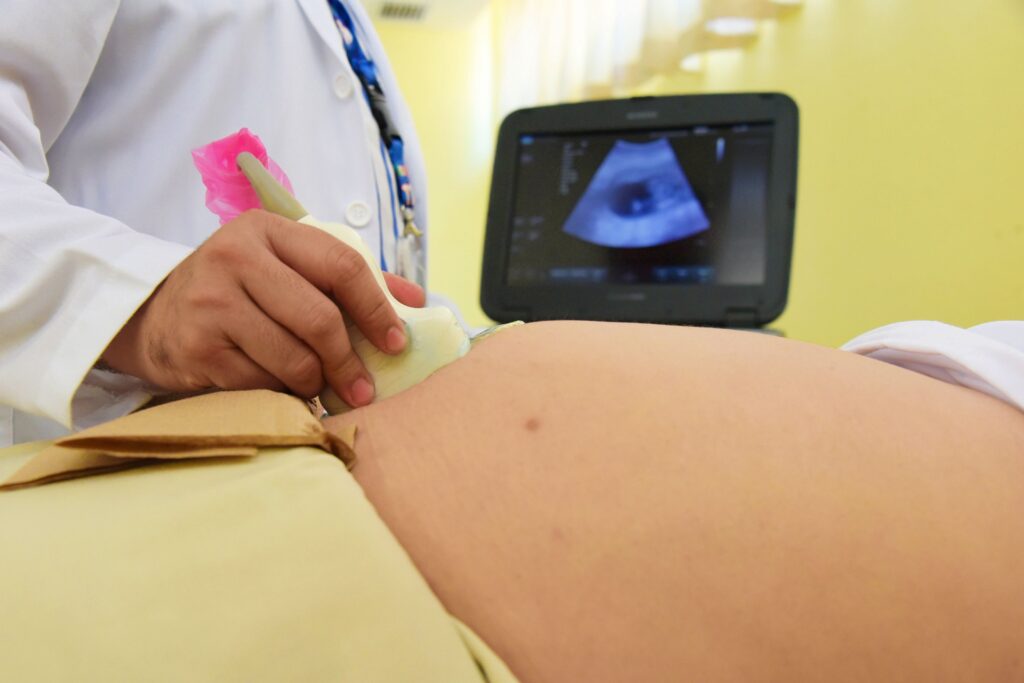

Growing older can bring changes in strength, flexibility, and joint movement. However, persistent knee pain, hip stiffness, difficulty walking, or repeated falls should not always be dismissed as a normal part of ageing. For families looking for an Orthopedic Doctor in Wakad, understanding when joint symptoms need professional attention can help seniors remain active and independent.
For many older adults, joint pain develops gradually. A person may first stop taking long walks, then avoid stairs, and eventually need help with activities that were once easy. Early orthopedic assessment can help identify whether the problem is related to arthritis, an old injury, muscle weakness, joint degeneration, or another condition.
Wakad has become a major residential and urban hub, making convenient access to specialist healthcare increasingly important for older adults and their families. A consultation with an Orthopedic Doctor in Wakad can provide a clearer understanding of persistent pain and help determine whether the right approach is exercise and rehabilitation, medication, supportive care, or a surgical option when appropriate.
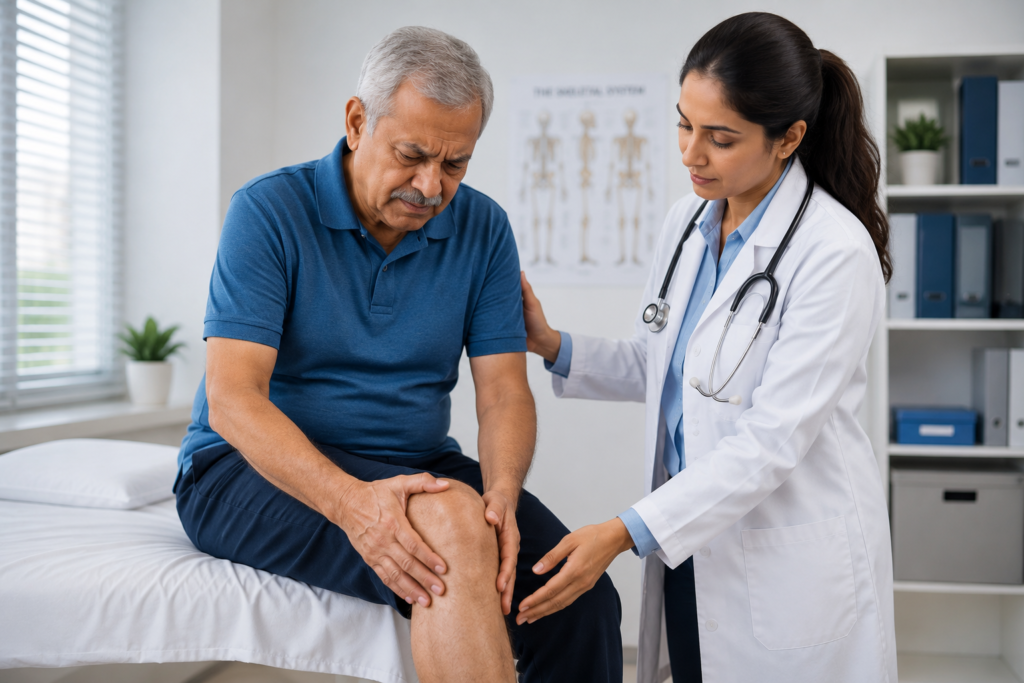
When Is Joint Pain Part of Ageing -and When Is It a Warning Sign?
Some stiffness is common with age. For example, a senior citizen may feel slightly stiff after sitting for a long period and become more comfortable after moving around.
The concern arises when pain becomes persistent or begins changing how a person lives. A senior may gradually reduce walking, avoid social activities, stop using stairs, or depend more on family members.
These changes can be easy to overlook because they happen slowly.
Occasional Stiffness
Mild stiffness after prolonged sitting may improve with gentle movement. However, if stiffness becomes more frequent or lasts for long periods, an orthopedic evaluation may be useful.
Pain That Keeps Returning
Repeated knee, hip, shoulder, or ankle pain deserves attention, especially when it begins affecting everyday activities.
Changes in Walking
A limp, shorter walking distance, difficulty standing, or dependence on furniture for support can indicate that a joint or musculoskeletal problem is affecting mobility.
Pain That Affects Sleep
Pain that repeatedly wakes a person at night or makes it difficult to find a comfortable sleeping position should not simply be attributed to age.
Difficulty With Everyday Tasks
Trouble getting out of a chair, climbing stairs, putting on footwear, or walking to nearby places can be meaningful signs of reduced joint function.
Expert Orthopedic Care for Seniors in Wakad
When families search for an Orthopedic Doctor in Wakad, they may encounter specialists with different areas of expertise. Choosing the right doctor depends on the senior’s symptoms, diagnosis, treatment requirements, and overall health.
Dr. Siddhesh Parab – Orthopedic Doctor in Wakad
Dr. Siddhesh Parab is a trauma orthopedic surgeon in Wakad with experience in managing joint problems, hip conditions, knee problems, fractures, complex trauma, and other orthopedic concerns. His clinical practice includes joint surgeries, hip surgery, knee replacement, and treatment of orthopedic trauma.
For older adults experiencing advanced knee or hip problems, his expertise is relevant to areas such as Knee Replacement Surgeon in Wakad. Patients evaluating advanced surgical options may also explore robotic-assisted procedures, including care from a Best Robotic Knee Replacement Surgeon in Wakad, when clinically appropriate.
Dr. Parab practices at Pentagon Hospital, making specialist orthopedic care accessible to patients from Wakad and nearby areas. Families searching for a best Orthopedic Surgeon near me should still consider the individual’s diagnosis and required expertise rather than relying only on location.
Dr. Kapil Saoji – Best Orthopedic Doctor in Wakad
Dr. Kapil Saoji is an orthopedic specialist with a particular focus on foot and ankle conditions and lower-limb orthopedic care. His expertise includes foot and ankle problems, injuries, and selected joint replacement procedures.
For seniors, foot and ankle health can have a direct effect on balance and walking. Patients with persistent foot or ankle problems may seek a Foot & Ankle Specialist in Wakad, particularly when pain or instability affects daily mobility.
Dr. Saoji also has expertise in knee replacement procedures. Patients exploring Knee replacement surgery in Wakad or robotic-assisted knee procedures can discuss whether such treatment is appropriate for their individual condition.
3. Dr. Amit Laturkar – Orthopedic Doctor in Aundh
Dr. Amit Laturkar is an experienced orthopedic doctor in Aundh, Pune. His clinical practice includes the diagnosis and treatment of knee disorders, arthritis, sports injuries, fractures, and other musculoskeletal conditions, with a special interest in knee and joint replacement surgery.
Patients from Aundh, Baner, Pashan, Bavdhan, and nearby areas consult him for comprehensive orthopedic care. His approach emphasizes accurate diagnosis, evidence-based management, personalized rehabilitation, and restoring mobility and function.
7 Joint Problems That Commonly Affect Older Adults
Age-related musculoskeletal changes can affect different parts of the body. Some problems develop slowly, while others may appear after an injury or fall.
1. Knee Osteoarthritis
Knee osteoarthritis is a common cause of pain and stiffness in older adults. It can make walking, climbing stairs, standing, or getting up from a chair increasingly difficult.
2. Hip Arthritis
Hip arthritis can cause pain around the hip or groin and may affect walking and lower-body movement. Some people also experience difficulty putting on socks or shoes.
3. Shoulder Problems
Shoulder arthritis, stiffness, and previous injuries can make reaching overhead, dressing, or lifting objects difficult.
4. Back and Spine Problems
Age-related changes in the spine can contribute to back pain, stiffness, or reduced mobility. However, persistent or severe symptoms need proper assessment.
5. Foot and Ankle Problems
Previous injuries, arthritis, deformities, or instability can affect the way an older adult walks. Since balance depends partly on stable foot and ankle movement, these problems deserve attention.
6. Joint Instability
A feeling that the knee, ankle, or another joint may give way can increase the risk of falls and further injury.
7. Fractures After Falls
Falls can result in fractures of the hip, wrist, shoulder, or other areas. Older adults may require prompt orthopedic evaluation after a significant fall, especially if they develop pain or difficulty bearing weight.
The Mobility Test: 6 Everyday Signs Your Joints Need Attention
Rather than focusing only on pain intensity, families can watch for changes in everyday movement.
1. Difficulty Getting Out of a Chair
If a senior increasingly uses their arms to push themselves up or needs another person’s help, it may indicate reduced lower-limb strength or joint function.
2. Avoiding Stairs
A person who once used stairs comfortably may begin avoiding them because of knee or hip pain.
3. Shortening Walks
Reducing walking distance because of discomfort is another important change.
4. Difficulty Putting on Footwear
Hip, knee, ankle, or back problems can make bending and reaching the feet difficult.
5. Needing Frequent Rest
Stopping repeatedly during short walks because of pain or fatigue may warrant evaluation.
6. Walking Differently
A new limp or change in gait can sometimes indicate an underlying orthopedic issue.
These changes do not automatically mean that surgery is required. Instead, they are reasons to consider an assessment by an Orthopedic Doctor in Wakad.
Why Knee Pain Should Not Be Ignored in Older Adults
Knee pain can gradually become part of a senior’s routine. Instead of seeking treatment, some people simply change their activities.
They may stop walking in the morning, avoid stairs, sit for longer periods, or ask family members to handle errands. Unfortunately, prolonged inactivity can contribute to loss of muscle strength and physical conditioning.
A proper orthopedic evaluation can help determine whether the pain is related to arthritis, an old injury, ligament damage, meniscus problems, or another condition.
Treatment depends on the diagnosis. Some people may improve with physiotherapy, exercise, medication, weight management where appropriate, activity modification, or other conservative measures.
For advanced joint damage, a Knee Replacement Surgeon in Wakad can assess whether knee replacement should be considered.
When Should a Senior Citizen Consider Knee Replacement?
Knee replacement is not determined by age alone.
The decision generally considers the severity of joint damage, symptoms, mobility limitations, overall health, previous treatments, and the impact of the condition on quality of life.
A senior may be evaluated for knee replacement when:
- Pain is persistent
- Walking becomes increasingly difficult
- Stairs are challenging
- Joint stiffness limits movement
- Everyday activities become difficult
- Sleep is affected by knee pain
- Appropriate non-surgical treatments have not provided enough improvement
- Imaging shows significant joint damage
The aim is not simply to replace a joint because of age. The aim is to determine whether the procedure can provide meaningful improvement in pain and function.
What About Hip Pain in Older Adults?
Hip problems can be particularly limiting because the hip is involved in standing, walking, sitting, and changing position.
An older adult with hip arthritis may initially notice discomfort after longer walks. Over time, getting out of a chair, climbing stairs, or putting on footwear may become more difficult.
Hip pain should also be distinguished from pain originating in the lower back or other areas. A proper examination helps identify the likely source.
When hip joint damage becomes advanced and conservative measures no longer provide adequate relief, a Hip Replacement Surgeon in Wakad can assess whether replacement surgery is appropriate.
For selected patients, robotic-assisted technology may also be discussed with a Robotic Hip Replacement Doctor in Wakad. The suitability of robotic assistance depends on the individual case, surgical plan, available technology, and surgeon’s assessment.
Falls, Fractures and the Hidden Orthopedic Risk for Seniors
Falls are particularly important in older adults because bone strength, balance, vision, muscle strength, and reaction time can change with age.
A fall may result in a fracture even when the injury initially appears minor.
Common Fall-Related Orthopedic Injuries
- Hip fractures
- Wrist fractures
- Shoulder fractures
- Vertebral fractures
- Ankle fractures
- Knee injuries
A senior who experiences significant pain, swelling, visible deformity, or difficulty standing or bearing weight after a fall should receive timely medical assessment.
Preventing falls is equally important. Appropriate exercises, safe footwear, adequate lighting, removal of household obstacles, and assessment of balance problems can all contribute to a safer environment.
Foot and Ankle Problems Can Change More Than Your Walk
Foot and ankle problems are sometimes overlooked because patients focus mainly on knee and hip pain.
However, an unstable or painful ankle can alter walking patterns. Over time, this may place additional stress on the knees, hips, and lower back.
Older adults may experience:
- Ankle arthritis
- Previous ligament injuries
- Chronic ankle instability
- Foot deformities
- Heel pain
- Joint stiffness
- Pain after previous fractures
A Foot & Ankle Specialist in Wakad can evaluate these problems and determine whether conservative treatment, rehabilitation, or another intervention is appropriate.
Patients with previous injuries may also benefit from consultation, For selected severe joint conditions, procedures such as ankle replacement may be discussed with an Ankle Replacement Surgeon in Wakad.
Can Seniors Benefit From Robotic Joint Replacement?
Robotic-assisted technology is increasingly used in selected knee and hip replacement procedures.
In simple terms, robotic systems can assist with planning and provide computer-guided support during surgery. This can help the surgeon work according to the planned alignment and positioning strategy.
However, the robot does not independently perform the surgery.
The surgeon remains responsible for:
- Assessing the patient
- Deciding whether replacement is appropriate
- Planning the procedure
- Performing the operation
- Managing the patient’s medical and surgical needs
- Guiding rehabilitation
A senior citizen should therefore not choose robotic surgery simply because it is described as advanced technology. The important question is whether it offers a meaningful benefit for that particular patient.
A Robotic Knee Replacement Surgeon in Wakad can evaluate whether robotic-assisted knee replacement is suitable. Similarly, patients considering hip replacement can discuss robotic assistance with an appropriately experienced surgeon.
Treatment Doesn’t Always Begin With Surgery
One of the most important things seniors and their families should understand is that orthopedic treatment is not automatically surgical.
A typical treatment journey may look like:
Assessment → Diagnosis → Conservative Treatment → Rehabilitation → Reassessment → Surgery if Required
Depending on the condition, conservative care may include:
- Physiotherapy
- Strengthening exercises
- Flexibility work
- Balance training
- Activity modification
- Medication prescribed when appropriate
- Braces or supportive devices
- Weight management where relevant
The treatment plan should be personalized according to the patient’s condition, medical history, mobility, and goals.
The Real Goal of Orthopedic Treatment: Staying Independent
For a senior citizen, orthopedic care is about more than reducing pain.
Being able to walk to the local shop, climb a few stairs, attend family events, travel, participate in hobbies, or simply move around the home without fear can have a major impact on quality of life.
That is why the goal of treatment should include mobility, function, confidence, and independence.
For example, a treatment plan for a senior with knee arthritis should not focus only on an X-ray finding. It should also consider whether the person can walk, sleep comfortably, use stairs, and participate in activities that matter to them.
Joint Pain vs Signs That Need Evaluation
| Everyday Experience | What It May Mean |
| Mild stiffness after sitting | May improve with gentle movement |
| Occasional discomfort | Monitor if it settles |
| Persistent knee pain | Orthopedic evaluation may be useful |
| Repeated swelling | Needs assessment |
| Difficulty walking | Should not be ignored |
| Pain affecting sleep | Medical evaluation is advisable |
| Frequent falls | Prompt assessment is important |
| Severe pain after an injury | Timely medical care is recommended |
This table can help families distinguish between occasional discomfort and changes that deserve professional attention.
Which Orthopedic Expert May Help?
| Problem | Relevant Expertise |
| Knee arthritis | Knee or joint replacement specialist |
| Hip arthritis | Hip replacement specialist |
| General trauma | Orthopedic trauma surgeon |
| Foot pain | Foot and ankle specialist |
| Ankle injury | Ankle specialist |
| Advanced knee arthritis | Knee replacement surgeon |
| Advanced hip arthritis | Hip replacement surgeon |
| Selected joint conditions | Joint replacement specialist |
The table is only a general guide. A qualified orthopedic assessment is needed to determine which specialist and treatment approach are appropriate.
A Senior Citizen’s Story: When “Normal Ageing” Wasn’t the Whole Story
Consider a 68-year-old Wakad resident who gradually develops knee pain.
Initially, the discomfort appears only after longer walks. The family assumes it is simply part of ageing. Over several months, however, the senior stops taking morning walks, begins avoiding stairs, and needs support while getting up from a chair.
The family eventually arranges an appointment with an Orthopedic Doctor in Wakad. After discussing the symptoms and performing an examination, the doctor recommends appropriate imaging.
The assessment shows that the knee problem requires structured treatment. Rather than assuming that surgery is immediately necessary, the doctor discusses the available options based on the severity of the condition.
The patient begins a suitable treatment and rehabilitation plan. If symptoms remain severe and joint damage is advanced, knee replacement can then be discussed as one of the available options.
This example illustrates an important point: persistent pain deserves assessment even when it develops gradually.
How Family Members Can Support an Older Adult With Joint Pain
Family members often notice mobility changes before the senior does.
Instead of saying, “This is normal at your age,” it may be more helpful to ask:
- How long have you had this pain?
- Has your walking changed?
- Are stairs becoming difficult?
- Are you avoiding activities because of discomfort?
- Have you fallen recently?
- Are you sleeping well?
Families can also help seniors attend appointments, follow prescribed rehabilitation, make the home safer, and maintain appropriate physical activity.
After orthopedic surgery, family support can be particularly useful during the early recovery period.
Everyday Steps That Can Support Joint Health in Older Adults
Medical treatment is only one part of maintaining mobility.
Seniors can discuss appropriate activities with their healthcare professional and consider:
Staying Physically Active
Gentle, suitable exercise can help maintain muscle strength and joint function.
Working on Balance
Balance exercises can be useful for reducing fall risk when appropriately prescribed.
Maintaining a Healthy Weight
For people with knee or hip problems, managing excess weight may reduce mechanical stress on weight-bearing joints.
Using Support When Needed
Walking aids, braces, or other supportive devices may be useful for some patients.
Making the Home Safer
Removing loose rugs, improving lighting, installing handrails where needed, and keeping walking areas clear can reduce fall hazards.
Questions Seniors Should Ask an Orthopedic Doctor
Before beginning treatment, patients and family members can ask:
- What is causing my joint pain?
- Is this related to arthritis or another condition?
- Do I need an X-ray, MRI, or another investigation?
- Can my condition be treated without surgery?
- What exercises are safe for me?
- When would joint replacement become appropriate?
- What would recovery involve?
- Would robotic-assisted surgery be suitable in my case?
- How long could rehabilitation take?
- What can I do to protect my mobility?
Clear answers can help seniors and families make informed decisions about treatment.
When Is It Time to Book an Orthopedic Appointment?
A simple way to think about it is this:
Pain + Persistence + Reduced Function = Time for Evaluation
If joint discomfort continues for weeks, repeatedly returns, or starts affecting walking and daily life, it is reasonable to seek professional advice.
An Orthopedic Doctor in Wakad can assess the symptoms, identify the likely cause, and explain whether monitoring, conservative care, rehabilitation, or another treatment is appropriate.
Frequently Asked Questions
1. When should a senior citizen see an Orthopedic Doctor in Wakad?
A senior should consider orthopedic evaluation when joint pain persists, walking becomes difficult, stiffness limits movement, swelling repeatedly occurs, or pain interferes with sleep and daily activities. A consultation can help determine whether symptoms are related to arthritis, an injury, joint degeneration, or another musculoskeletal condition and whether treatment is required.
2. Is knee pain a normal part of ageing?
Knee stiffness and occasional discomfort can become more common with age, but persistent or worsening pain should not automatically be considered normal. If knee pain affects walking, stairs, sleep, exercise, or daily activities, an orthopedic assessment can help identify the underlying cause and determine suitable treatment options.
3. When is knee replacement recommended for seniors?
Knee replacement may be considered when significant knee joint damage causes persistent pain and functional limitations, particularly when appropriate non-surgical treatment has not provided sufficient improvement. Age alone does not determine whether someone needs surgery. Overall health, joint condition, symptoms, mobility, and individual goals are also considered.
4. Is hip replacement possible for older adults?
Older adults can be evaluated for hip replacement when advanced hip joint damage causes significant pain and mobility limitations. The decision depends on the person’s overall health, symptoms, joint condition, functional limitations, and response to other treatments. A Hip Replacement Surgeon in Wakad can assess whether surgery is appropriate for an individual patient.
5. Can senior citizens undergo robotic knee replacement?
Some senior citizens may be suitable candidates for robotic-assisted knee replacement. However, robotic technology is not automatically appropriate for everyone. A surgeon considers the patient’s joint condition, anatomy, medical history, surgical requirements, and available technology before recommending robotic assistance.
6. What causes ankle pain in older adults?
Ankle pain can result from arthritis, previous fractures, ligament injuries, chronic instability, tendon problems, or other conditions. Because ankle stability influences walking and balance, persistent ankle pain should be evaluated. A Foot & Ankle Specialist in Wakad can help determine the cause and recommend appropriate treatment.
7. How can seniors reduce their risk of orthopedic injuries?
Maintaining appropriate muscle strength and balance, staying physically active, wearing suitable footwear, keeping floors and walking areas clear, improving home lighting, and using recommended support devices can help reduce injury risk. Seniors should also discuss any repeated falls or balance problems with a healthcare professional.
8. Does every senior with arthritis need surgery?
No. Arthritis can often be managed initially with conservative measures such as exercise, physiotherapy, activity modification, medication, and other appropriate treatments. Surgery may be considered when symptoms become severe, joint damage is advanced, and non-surgical approaches no longer provide sufficient improvement.
9. How important is physiotherapy after joint replacement?
Physiotherapy can be an important part of recovery after joint replacement. A structured rehabilitation program may help improve movement, muscle strength, balance, and functional ability. The exact rehabilitation plan depends on the procedure, patient’s health, recovery progress, and recommendations of the treating healthcare team.
10. How do I find the right Orthopedic Surgeon Wakad for a senior citizen?
Look for a surgeon whose expertise matches the senior’s condition and treatment needs. Consider qualifications, relevant experience, specialization, hospital facilities, diagnostic services, rehabilitation support, and follow-up care. For knee, hip, trauma, or foot and ankle problems, the relevant area of orthopedic expertise should be an important part of the decision.
Take the First Step Toward Better Mobility
Persistent joint pain should not automatically become a permanent part of growing older.
If an older adult in Wakad is experiencing knee pain, hip stiffness, ankle problems, difficulty walking, repeated falls, or reduced mobility, an orthopedic consultation can help clarify the cause and available treatment options.
At Pentagon Hospital, patients can discuss their orthopedic concerns with specialists based on their individual condition and treatment requirements. Whether the problem involves conservative management, rehabilitation, joint replacement, trauma care, or selected advanced procedures, the first step is an appropriate clinical evaluation.
Conclusion
Growing older does not mean that persistent pain, difficulty walking, or loss of mobility should simply be accepted. While some stiffness may occur with age, changes that interfere with sleep, walking, stairs, exercise, or independence deserve attention.
An Orthopedic Doctor in Wakad can help seniors understand whether their symptoms are related to arthritis, an old injury, joint degeneration, instability, or another orthopedic problem. Importantly, treatment does not always mean surgery. Depending on the condition, physiotherapy, strengthening, activity modification, medication, supportive care, or rehabilitation may be enough.
For patients who eventually require joint replacement, options such as knee or hip replacement can be discussed based on their individual health and joint condition. Advanced options, including robotic-assisted procedures, may also be considered for appropriately selected patients.
The goal of orthopedic care should ultimately be bigger than treating an X-ray or reducing a pain score. It should help older adults move with greater confidence, maintain independence, and continue participating in the activities that make everyday life meaningful.